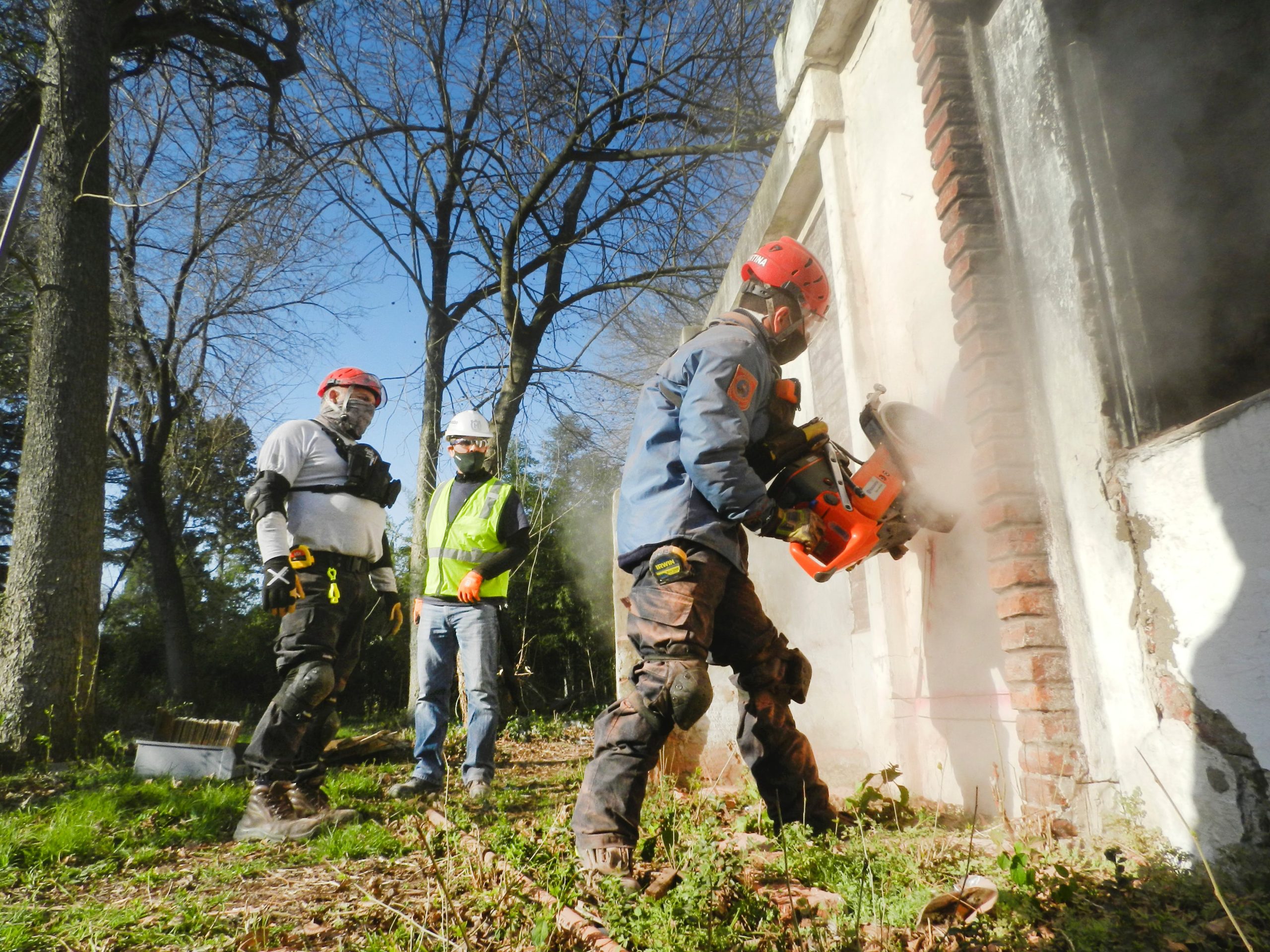
What Is a Demolition Hammer? Uses, Benefits, and Buying Tips
When it comes to heavy-duty construction, remodeling, or site clearance, one tool often stands out as indispensable: the demolition hammer. This rugged, high-powered machine is specifically engineered to break through the toughest materials from reinforced concrete to brick walls. Whether you're a contractor looking to upgrade your equipment or a homeowner gearing up for a serious renovation, understanding what a demolition hammer is and how it can be used is essential for making a smart investment.
Key Takeaways
- A demolition hammer is a power tool designed exclusively for breaking hard surfaces like concrete, brick, and tile.
- It differs from rotary hammers and jackhammers by focusing on pure impact rather than drilling or rotating.
- The tool comes in various forms, like electric, pneumatic, and hydraulic, tailored for specific types of jobs.
- Top use cases for this tool include commercial demolition, roadwork, and home renovations.
- Choosing the right demolition hammer involves considering factors like power source, bit type, and application.
- Proper safety protocols, regular maintenance, and adherence to environmental standards are essential.
What Is a Demolition Hammer?
If you're wondering what a demolition hammer is, well, it’s best recognized for handling materials that standard tools can't touch. It uses a hammering mechanism that delivers rapid, concentrated blows to tear through tough materials without rotating or drilling.
Unlike a rotary hammer, which can drill and hammer at the same time, a demolition hammer is focused on one task: delivering high-impact strikes. This makes it highly effective for demolition tasks but not suitable for boring holes or driving screws.
While most models are electric, making them portable and easier to use for general construction or renovation work. There are heavier-duty versions that may be pneumatic or hydraulic and used in industrial or large-scale demolition jobs.
What Is a Demolition Hammer Used For?
Demolition hammers are commonly used in:
- Concrete removal: Breaking up slabs, patios, or sidewalks.
- Tile demolition: Removing floor or wall tiles during renovation.
- Brick or block demolition: Tearing down masonry structures or walls.
- Roadwork: Breaking asphalt or concrete pavement.
- Structural teardown: Dismantling parts of buildings for remodeling.
Whether you're remodeling a bathroom or working on a road construction crew, a demolition hammer saves time and reduces manual labor.
Types of Demolition Hammers
If you’re still wondering what is a demolition hammer used for, then, here’s our answer, it depends. Because demolition hammers come in different types, the right one for your job depends on the scale of your project and power requirements.
Electric Demolition Hammers
Electric demolition hammers are the most common type used in residential and light commercial projects. They plug into standard wall outlets and are often compact enough for one-person operation.
Best for:
- Home renovation
- Small construction tasks
- Tile or drywall removal
Pneumatic Demolition Hammers
Powered by compressed air, pneumatic models are more common in industrial settings. They require an air compressor and are often used where continuous operation is needed.
Best for:
- Factories and workshops
- Environments with built-in pneumatic systems
Hydraulic Demolition Hammers
These are the most powerful, typically attached to excavators or skid steers. With a more powerful mechanism, hydraulic hammers are built for major demolition jobs, such as tearing down buildings or breaking roads.
Best for:
- Roadwork
- Bridge and structure demolition
- Large construction sites
Understanding what is a demolition hammer and what it is used for becomes easier when you know what types are available and which ones match your usage.
Key Parts and How It Works
Demolition hammers rely on impact force, not spinning or cutting. Here’s how they get the job done:
Core Components:
- Motor: Powers the tool and drives the internal hammering mechanism.
- Piston and hammering assembly: Converts rotational energy into percussive force.
- Chisel or bit: The part that makes contact with the material (pointed, flat, or spade tips depending on use).
Mechanism:
When you switch it on, the motor drives a piston that strikes an internal hammer. This energy is transferred to the chisel, delivering a rapid series of hard blows that chip away at the surface. The process repeats quickly, sometimes over a thousand blows per minute.
Applications: Where and When to Use One
Construction and Renovation
Contractors use demolition hammers to remove concrete pads, break up foundation walls, or clear brickwork before installing new structures. They’re also helpful during remodeling when precision removal is needed without disturbing surrounding areas.
Industrial Use
In larger settings, these tools are used for tearing up factory floors or preparing industrial spaces for reconfiguration. Pneumatic and hydraulic hammers handle continuous, heavy-duty work well.
Home Projects
DIYers might use a smaller electric demolition hammer to tear out a tile floor, remove an old countertop, or prep a slab for a new driveway.
Regardless of the setting, what a demolition hammer is used for always ties back to breaking through tough material with less effort and more control.
Safety Tips When Using a Demolition Hammer
These are high-powered tools. While they're safe when used correctly, it’s important to follow proper safety practices:
Personal Protective Equipment (PPE):
- Safety goggles or face shield
- Hearing protection (they’re loud)
- Dust mask or respirator
- Gloves with vibration resistance
- Steel-toed boots
Safe Operation:
- Keep a firm grip on both handles
- Let the tool do the work — don’t force it
- Take breaks to avoid fatigue and exposure to vibration
- Check the cord or air hose for damage before starting
Common Hazards:
- Dust: Breaking concrete creates airborne particles. Make sure to work in ventilated areas and use dust extraction systems when possible.
- Vibration: Prolonged use can lead to hand-arm vibration syndrome (HAVS). Use anti-vibration gloves and follow time limits.
Flying debris: Use barriers or protective covers in populated areas.
How to Choose the Right Demolition Hammer
With dozens of models available, here are a few things to consider:
1. Power Source
Choose electric for general jobs. But go with pneumatic or hydraulic if you’re working on a commercial scale or in a specialized setting.
2. Weight and Size
A compact model (20–30 lbs) is easier to maneuver for tile or wall work. Heavier models (40+ lbs), on the other hand, are better for slab removal or vertical demolition.
3. Chisel Compatibility
Ensure the tool fits standard SDS-Max or hex bits for easy replacement and job flexibility.
Maintenance and Basic Troubleshooting
Demolition hammers are built to last, but like any tool, they need regular care.
Maintenance Tips:
- Clean dust from vents after each use
- Lubricate the piston or internal parts if recommended by the manufacturer
- Inspect cords, switches, and chisels regularly
- Store in a dry place with the case or bag provided
Common Issues:
- Loss of impact: May indicate worn parts or poor lubrication
- Overheating: Avoid long continuous sessions; give the tool time to cool
- Stuck chisel: Disconnect the power, then remove and inspect the bit for damage
With proper care, your demolition hammer can last years, making it a worthy investment for professionals and DIYers alike.
Recommended Demolition Hammer Models
Here are a few top-rated models based on performance and reliability:
Bosch 11335K Jack Hammer Kit – Heavy-duty, electric-powered, built for demanding jobs.
Makita HM1307CB 35-Pound Demolition Hammer – Excellent vibration control, great for extended use.
DEWALT D25901K SDS Max – Well-balanced for medium-scale projects.
Hilti TE 3000-AVR – Premium tool for industrial-level demolition.
Milwaukee 5339-21 – Durable and precise for professional use.
These tools are available from retailers such as local suppliers. It is advisable to read customer reviews and compare features prior to making a purchase. However, engaging a professional service like Howard Stott Demolition can save you time and reduce complications.
Final Thoughts: Is a Demolition Hammer Worth It?
If your project involves breaking anything stronger than drywall, then yes absolutely! A demolition hammer is a smart investment for contractors, tradespeople, and even DIYers who want to save time and reduce manual labor.
It’s all about efficiency. So, whether you're tearing up tiles, busting through concrete, or prepping a job site, as a contractor or as a DIY-er, this tool can help you do it faster and with more precision.
Why Choose Howard Stott Demolition?
If you're not ready to take on the demolition yourself, consider a professional service. Howard Stott Demolition has been a leader in UK demolition services since 1977. From hazardous material removal to large-scale commercial takedowns, they deliver quality, safety, and efficiency at every level.
Related News & Projects