When Demolition Goes Wrong: Why It Happens & How to Avoid It
Demolition is supposed to be a precise, methodical process—carefully planned and expertly executed. When done right, it's clean, controlled, and efficient. And when a demolition goes wrong the consequences can be dramatic, dangerous, and extremely costly.
From buildings left precariously half-demolished to crane collapses and legal disputes that drag on for months, failed demolitions are far from rare—and they’re never trivial either. These incidents don’t just impact timelines and budgets; they can put lives at risk, damage neighboring properties, and lead to long-term reputational harm.
In this article, we’ll explore real-world demolition failures, break down the most common causes, highlight the legal, financial, and safety implications, and—most importantly—show you how working with a trusted contractor like Howard Stott Demolition Ltd. can significantly reduce these risks.
With the right expertise and preparation, even the most complex demolition jobs can be completed safely and successfully.
What Does It Mean When a Demolition Goes Wrong?
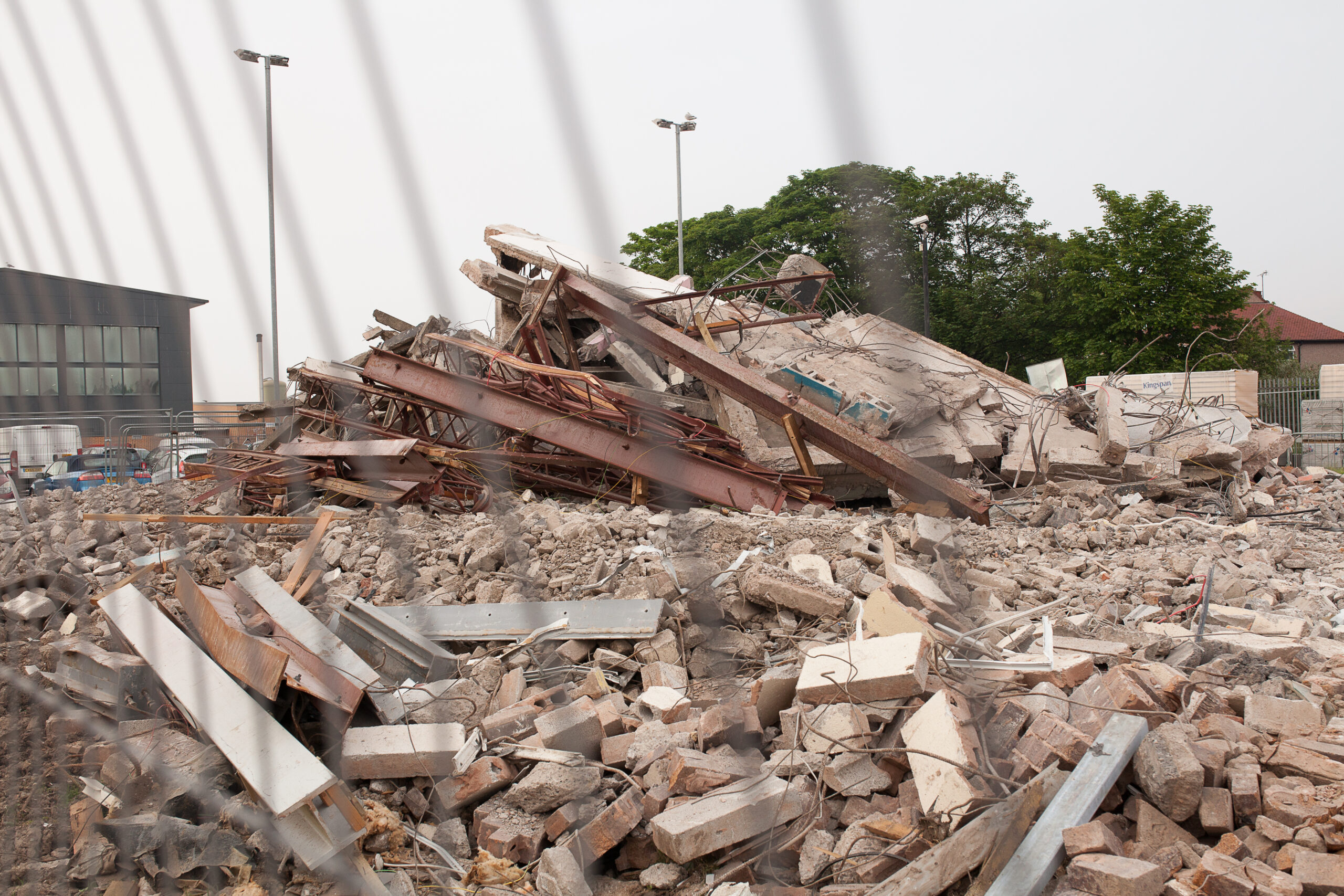
A demolition project is said to have failed when it does not go according to the plan. A demolition plan can fail in a number of ways, for example, when the structure fails to collapse, collapses prematurely, causes unintended damage to adjacent properties, or creates an unsafe environment for workers or the public.
Contrary to popular belief, a demolition gone wrong is not always visually dramatic. It can manifest subtly, such as through improper debris containment, hazardous material exposure, or delayed project schedules—all of which can incur fines and reputational damage.
Key Reasons Why Demolitions Go Wrong
Understanding the root causes of demolition failure is essential for prevention. Demolitions are inherently high-risk operations, requiring precise coordination between engineers, contractors, and safety regulators. When any component of this process is overlooked or underestimated, the result can be catastrophic.
When Demolition goes wrong it can leave a structure dangerously unstable and may cause damage or injuries—often followed by legal and financial fallout.
Below are the most common reasons why demolitions go wrong:
Inadequate Planning and Site Assessment
Demolition requires meticulous planning based on comprehensive surveys and structural analysis. Skipping or rushing this phase especially without input from experienced engineers can lead to structural miscalculations, inappropriate equipment use, or poorly sequenced activities. Howard Stott Demolition Ltd., for instance, begins every project with a thorough assessment of materials, structural load paths, and environmental constraints to reduce this risk.
Lack of Qualified Personnel
Engaging an unqualified or poorly trained workforce significantly increases the risk of human error. A demolition team must be equipped not only with certifications but also with experience managing live utilities, adjacent structures, and complex deconstruction techniques. In fact, many incidents attributed to “bad luck” are in fact the result of insufficient training or supervision.
Incorrect Use of Equipment or Explosives
Selecting the wrong type of machinery, or misusing explosives in controlled demolitions, is a frequent cause of failure. Timing, placement, and charge intensity must be precisely calculated. A minor error can result in a structure not collapsing at all or worse, collapsing in the wrong direction.
Environmental and External Conditions
Demolition outcomes can be heavily influenced by external factors such as soil instability, wind loads, and moisture. For example, strong crosswinds have been known to shift the fall trajectory of tall structures during top-down demolition. If these factors are not properly accounted for, they can interfere with collapse direction or structural performance.
Inadequate Safety Controls and Communication
Failures can stem from poor communication between site managers, operators, and external stakeholders. Additionally, without clear protocols and emergency procedures, even small delays or miscommunications can escalate into dangerous situations. To avoid these situations, remember that safety signage, exclusion zones, and contingency planning are non-negotiable components of any demolition strategy.
Legal, Financial, and Safety Consequences of Demolition Failures
Legal Responsibility: Who’s Liable?
One of the first questions that arises is: who’s at fault? The answer isn’t always straightforward. Did the demolition contractor overlook a structural vulnerability, or did the client fail to disclose crucial information about the building's condition? Liability often hinges on technical details and documentation—and even minor missteps can lead to major legal battles. In worst-case scenarios, parties may face litigation, regulatory investigations, and disputes with insurers over coverage responsibilities.
Financial Costs: The Price of a Misstep
The financial consequences of a failed demolition can be steep and unpredictable. Beyond the immediate costs of reworking the demolition plan or structural containment, there are often significant knock-on expenses—such as rescheduling cranes and equipment, compensating affected third parties, and navigating legal claims. More than just the cost of reworking a demolition job, the cost can inflate when legal defense and insurance complications come into play.
Safety Hazards: The Human Toll
While financial and legal issues can eventually be resolved, the risk to human life is non-negotiable—and often irreversible. A sobering example occurred in 2019 in the Midlands, where a demolition worker suffered severe injuries after a roof collapsed unexpectedly. Investigators later identified a critical breakdown in communication between the structural engineers and the on-site team. It was a stark reminder that even small oversights can have life-altering consequences.
At the heart of every demolition project is a duty of care—to your team, the surrounding community, and the environment. By hiring qualified contractors, ensuring thorough site assessments, and prioritizing communication, many of these risks can be prevented before even the first structure comes down.
Prevention: Hiring the Right Contractor
In demolition, prevention is everything, and that starts with choosing the right contractor. A skilled and experienced team not only ensures your project stays on track but also dramatically reduces the risk of accidents, delays, and costly surprises.
Take Howard Stott Demolition, for example. We approach each project with precision, beginning with a comprehensive risk assessment and crafting site-specific method statements tailored to the unique challenges of the site. They also work strictly in accordance with the British Standard for demolition practices, ensuring compliance, safety, and professionalism every step of the way.
But how can you be confident you’re choosing the right demolition partner? Start by evaluating these key qualities:
What to Look For:
- A proven track record with complex or high-risk projects
Experience speaks volumes. Look for companies that have successfully tackled projects similar to yours. - Accreditation from the National Federation of Demolition Contractors (NFDC)
NFDC membership indicates adherence to the highest industry standards and ongoing training. - Commitment to environmental protection
Responsible contractors will have clear plans for dust suppression, waste management, and minimizing noise and emissions. - Up-to-date insurance and licensing
Comprehensive coverage protects both you and your contractor if something goes wrong.
Questions to Ask Before Signing a Contract
Choosing a demolition partner shouldn’t feel like a gamble. Ask the right questions to make sure you're working with professionals who plan ahead and prioritize safety:
- Do you conduct a full structural survey before starting?
A thorough understanding of the building ensures a safer and more efficient demolition process. - What accreditations and insurance do you hold?
Confirm their qualifications and legal standing to operate. - How do you plan for environmental and structural challenges?
Look for answers that reflect forethought and site-specific planning—not vague generalities. - Can you provide client references or case studies?
Reputable firms will be proud to share their past successes.
Hiring the right demolition team isn’t just about price—it’s about peace of mind. Choose wisely, and you’ll avoid most of the pitfalls before the first brick comes down.
What to Do When a Demolition Goes Wrong
Even with the most careful planning, things can occasionally go wrong during a demolition project. If that happens, your immediate focus must be on protecting lives. Safety comes first, no exceptions. First, quickly evacuate all personnel from the area, secure the perimeter to prevent further access, then, if there's any danger to people or surrounding structures, call emergency services without delay.
Once everyone is safe, it’s time to shift focus to minimizing further risk and beginning the recovery process. A qualified structural engineer should be brought in promptly to assess any residual hazards and evaluate the stability of what's left standing.
Here’s a clear step-by-step action plan to guide your response:
Step-by-Step Action Plan:
- Secure the site
Ensure the affected area is completely cordoned off to prevent unauthorized entry or injury. - Inform relevant authorities
Notify local authorities or regulatory bodies, depending on the severity of the incident and applicable laws. - Contact your demolition contractor
Immediately get in touch with the demolition contractor overseeing the project. They’ll need to assist in managing the situation and revising plans if necessary. - Instruct an independent surveyor
Bring in a third-party surveyor to independently assess damage, verify safety, and help determine next steps. - Document the scene for insurance and legal use
Take clear, detailed photos and gather all incident-related information for insurance claims and any potential legal reviews.
If you've partnered with a reputable firm like Howard Stott Demolition, you'll benefit from their robust contingency protocols. Experienced contractors understand that surprises can happen—and they’re equipped to step in quickly, contain the issue, and get the project back on track with minimal disruption.
The Importance of Hiring a Professional
With a complex operation requiring surgical precision, technical knowledge, and strict adherence to safety and legal standards, it is more than important to call a professional when a demolition goes wrong. Hiring a professional demolition contractor isn’t just a smart move, it's absolutely essential.
A qualified contractor brings more than manpower and machinery. They offer:
- Expert risk assessment – A seasoned team will evaluate the structural integrity of the building, surrounding risks, and any environmental hazards before a single wall comes down.
- Tailored demolition plans – Professionals don’t rely on generic approaches. They create site-specific method statements and timelines that take local regulations, materials, and safety conditions into account.
- Regulatory compliance – Licensed contractors understand and follow laws such as BS 6187:2011, ensuring your project meets all UK health, safety, and environmental standards.
- Crisis management readiness – Should anything unexpected occur, a professional team will have contingency plans in place to minimize damage and keep people safe.
With a track record of successful projects and NFDC accreditation, we combine technical skill with accountability. Our teams are trained not just to complete demolitions, but to do so with foresight, responsibility, and attention to every detail that could affect the outcome.
Quick FAQs
Can it be fixed?
Yes, but it usually means more time, money, and specialist input.
How much would it cost?
It depends but there have been some failures that cost up to hundreds of thousands of pounds.
Is it covered by insurance?
Not always. Gaps in coverage are surprisingly common. That’s why hiring a fully insured contractor is so important.
How do professionals avoid disasters?
Thorough planning, qualified teams, full structural surveys, and experience. No shortcuts.
Final Thoughts: It Pays to Do Demolition Right
When a demolition goes wrong, the cost isn’t just financial—it’s structural, legal, and reputational. With comprehensive planning, expert contractors, and clear communication, most of these failures are entirely preventable.
As shown through real-world examples and industry best practices, firms like Howard Stott Demolition demonstrate that experience, compliance, and care make all the difference.
If you're considering a demolition project whether for commercial redevelopment or residential clearance ensure you're partnering with professionals who can avoid the all-too-common pitfalls that arise when demolitions go wrong.
Related News & Projects