
Asbestos Exposure: Health Risks and Diseases It Can Cause
Key Takeaways
- Asbestos exposure happens when asbestos fibres are released, usually because a material has been damaged or disturbed, and those fibres are then breathed in.
- Asbestos is a serious hazard because all forms are carcinogenic, and exposure is linked to cancers including mesothelioma and long-term lung disease.
- The risk of asbestos is often highest during construction, maintenance, refurbishment, and demolition, especially in buildings built or refurbished before 2000.
- Most asbestos-related conditions take years to develop, so symptoms may not appear until decades after exposure.
- If you suspect asbestos on your site, the safest first step is to stop work and get competent advice.
What Asbestos Exposure Means and Why It Matters
Asbestos is a group of mineral fibres that were once widely used in building products because they are strong and heat-resistant.
The real danger begins when asbestos-containing materials are damaged or disturbed, releasing fibres into the air. If those fibres are inhaled, they can settle in the lungs and cause inflammation and scarring over time, which can lead to serious disease.
In Great Britain, asbestos remains a significant cause of work-related deaths, and official guidance from HSE emphasises that asbestos-related diseases usually take decades to develop and cannot be cured.
Need Help Managing Asbestos Risk?
If you suspect asbestos on site or need specialist support, our team is here to help.
Where Asbestos Exposure Happens and Who Is Most at Risk
In the UK, a simple rule of thumb applies: if a building was built or refurbished before 2000, assume asbestos could be present unless you have evidence that it is not.
Risk is often highest when work disturbs the building fabric. Maintenance, repair, refurbishment, retrofitting, and demolition are all regularly flagged as higher-risk activities because they can release fibres.

People in trades are often highlighted as higher-risk groups. The main cause of mesothelioma is breathing in asbestos fibres over a long period, and jobs such as electricians, carpenters, plumbers, and construction and demolition workers are often listed as examples of roles where exposure may have occurred.
Asbestos can also affect people who are not directly working with it. Evidence suggests asbestos fibres can be carried home on shoes, clothing, skin, or hair, which can increase the risk for family members of heavily exposed workers and create one form of asbestos contamination.
Health Risks and Diseases Asbestos Can Cause
These health impacts are often grouped under “asbestos-related disease”, sometimes referred to as asbestos disease or illnesses. The lining around the lungs (pleura) can be affected, and, in some cases, the lining around abdominal organs (peritoneum).
Mesothelioma
Mesothelioma is a rare cancer that affects the lining of organs and is usually caused by asbestos exposure.
In the UK, asbestos was used from the 1950s until it was banned in 1999, and mesothelioma can take 15 to 60 years to develop after exposure.
Asbestos-Related Lung Cancer and Other Cancers
Being exposed to asbestos is commonly linked to lung cancer, and the World Health Organization also states that exposure causes cancer of the lung, larynx, and ovaries, as well as mesothelioma.
One especially important point is the interaction with smoking. Evidence shows smoking plus asbestos exposure is “particularly hazardous” for lung cancer risk, with the combined risk greater than the risks added together.
Asbestosis
Asbestosis is a serious scarring condition of the lungs caused by asbestos exposure. It is described as rare but serious, with symptoms such as shortness of breath and a persistent cough.
Because of the long latency, symptoms can take 20 to 30 years to appear after exposure.
Pleural Plaques
Pleural plaques are areas of thickened tissue on the pleura and are a common marker of past asbestos exposure. They are completely benign, with no malignant potential, and “only signify that an individual has been exposed to asbestos.”
Pleural Thickening and Benign Pleural Effusions
Pleural thickening can happen after heavy exposure. The pleura thickens and can squeeze the lung, which may cause shortness of breath and chest discomfort.
Asbestos exposure can also increase the risk of non-malignant pleural disorders, including pleural thickening and benign pleural effusions, alongside pleural plaques.
Symptoms, Latency, and When to Seek Medical Advice
One reason asbestos is so dangerous is that illness often does not appear straight away. Asbestos-related diseases can take decades to develop, and you cannot see, smell, or feel asbestos fibres in the air or on your clothes.
Symptoms of asbestosis can include shortness of breath, a persistent cough, wheezing, fatigue, chest or shoulder pain, and, in advanced cases, clubbed fingertips.
For mesothelioma, pleural symptoms can include chest pain, shortness of breath, a cough that does not go away, difficulty swallowing, a hoarse voice, fever, heavy night sweats, fatigue, weight loss, and clubbing. Peritoneal symptoms can include tummy pain or swelling, nausea or vomiting, appetite or weight loss, and diarrhoea or constipation.
You should see a GP if you have mesothelioma-type symptoms and think you have come into contact with and breathed in asbestos over a long period.
How to Reduce Asbestos Risk and Prevent Contamination
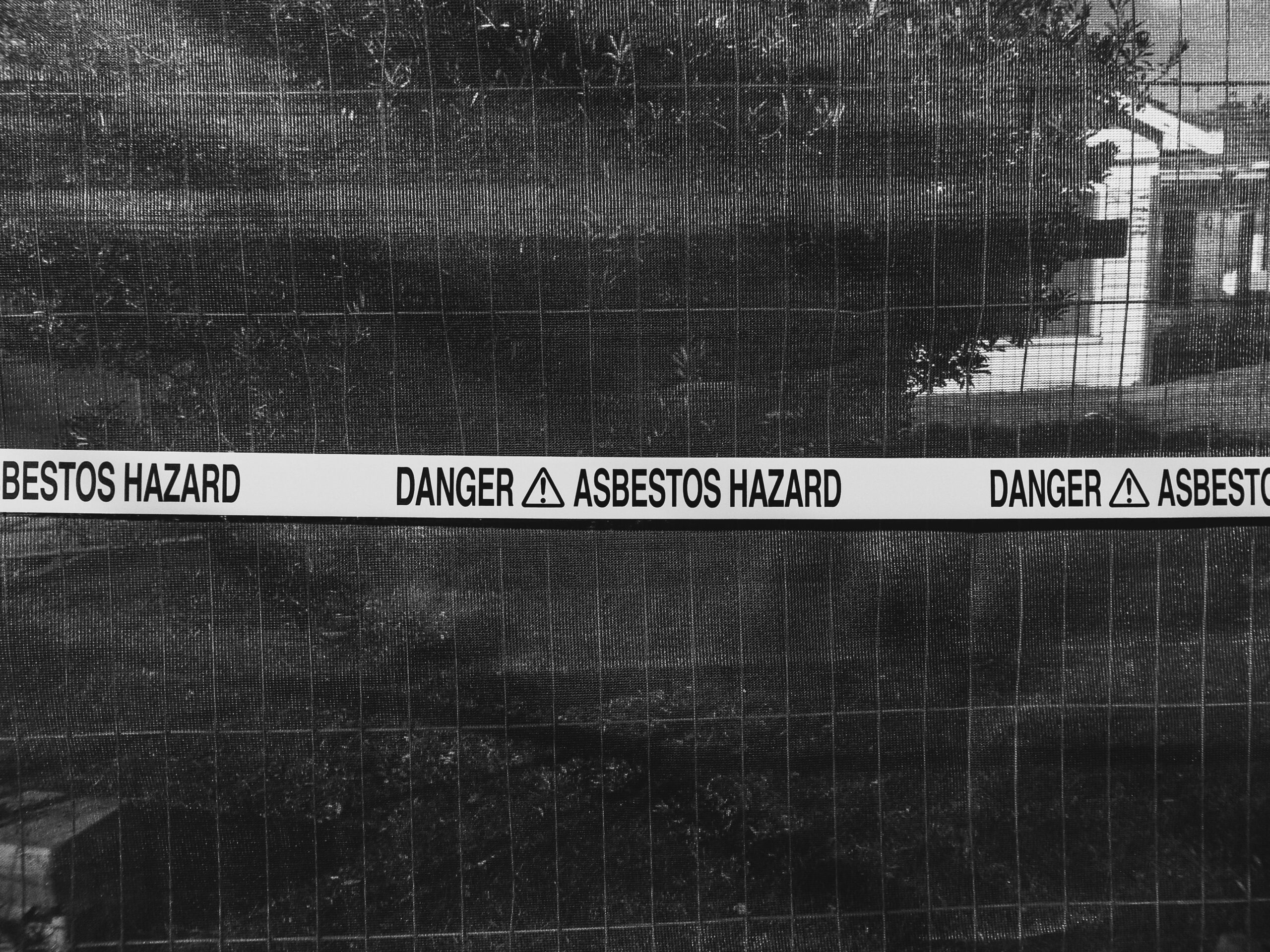
Intact or undamaged asbestos may present a low risk if it is left alone. Once materials are disturbed or damaged, fibres can be released and the hazard becomes much more serious.
If you are responsible for non-domestic premises, official guidance sets out a “duty to manage” approach:
- Identify whether asbestos could be present
- Arrange an appropriate survey
- Create a record (register)
- Assess risk
- Share information with anyone who might disturb it.
If you think you have found asbestos during work, the safest steps are:
- Stop work
- Speak to your employer or the building owner
- Check the asbestos register or survey
- Do not continue until you have enough information, including an appropriate survey where needed.
Because asbestos fibres can be carried on clothing and brought into other environments, preventing asbestos contamination also means preventing the spread of fibres.
Further Readings:
Related News & Projects
