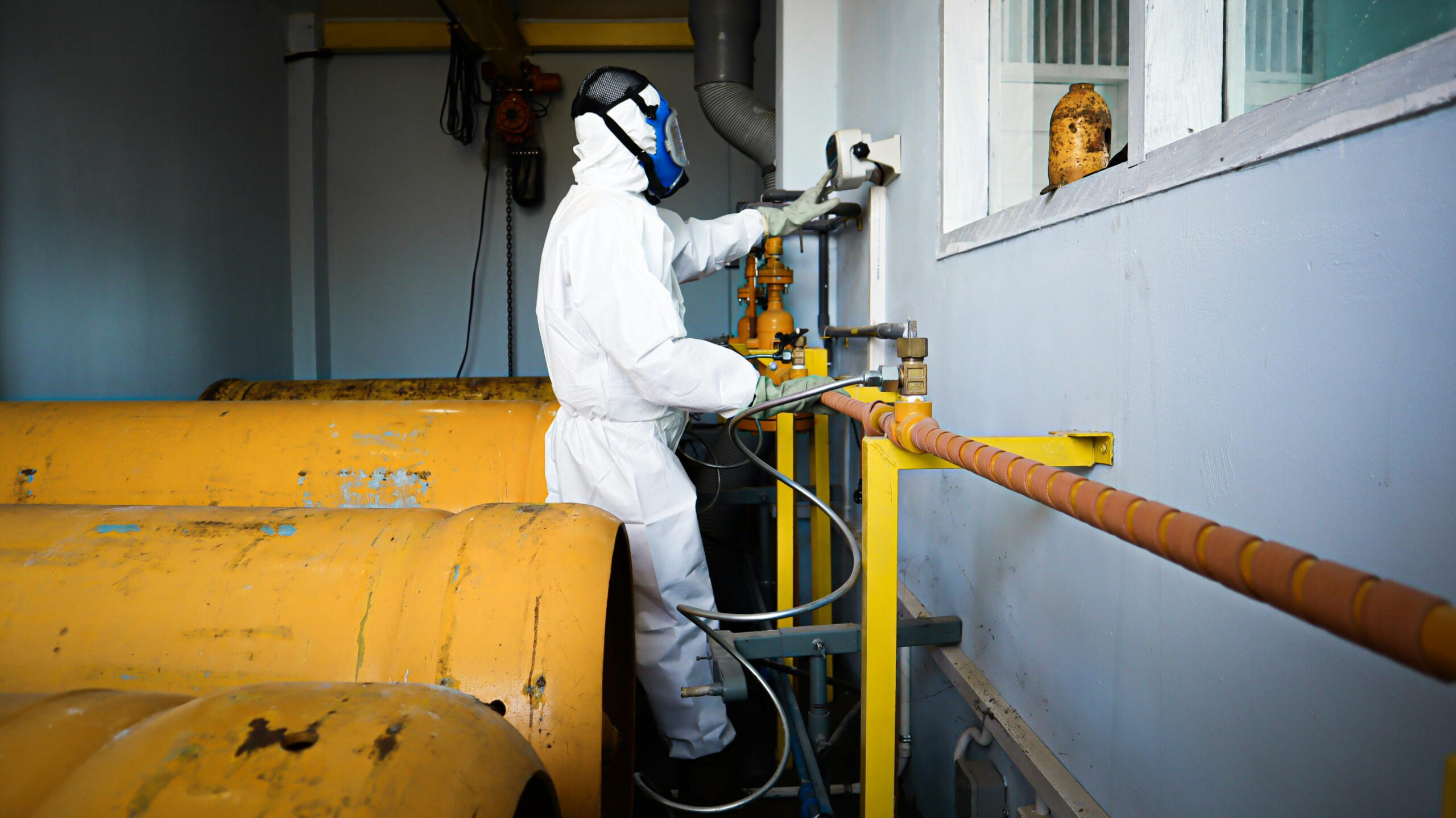
What Does Decommissioning Mean? A Simple Guide for Sites
Shutting down a building, closing a plant, or clearing a site? When it’s handled properly, decommissioning keeps people safe, reduces environmental risk, and helps you avoid expensive surprises later.
Put simply, decommissioning is the planned and safe process of taking facilities, buildings or equipment out of operation. That can mean dismantling and removing what’s no longer needed, or preserving assets for future use.
In this guide, we answer “what does decommissioning mean?”, walk through the main stages, and share a practical decommissioning checklist you can use for both building and site projects.
So, What Does Decommissioning Mean?
Decommissioning means taking a building, site, facility or equipment out of operation in a planned way, so it no longer poses a safety, environmental or operational risk. That may involve dismantling and removing it, or preserving it (often called mothballing) under a defined maintenance regime for future reactivation.
Unlike a short‑term shutdown, decommissioning is often irreversible; once infrastructure is dismantled, restarting it usually requires major reconstruction. The aim is safe closure that meets regulatory compliance, supports environmental restoration, and improves liability management and cost control.
The Purpose and Benefits of Decommission
Decommissioning is done to retire an obsolete facility, make way for new technology, relocate operations or meet evolving regulations. It reduces risk through controlled dismantling and hazard management, and it helps protect the environment by preventing pollution and ensuring hazardous materials are handled and disposed of safely.
It can also recover value by salvaging usable equipment and materials for resale or reuse, and it prepares sites for redevelopment by cleaning and restoring land (commercial, residential or renewable‑energy projects).

For buildings, that may mean taking the structure offline to “mothball” it or prepare it for sale; for industrial sites, it often comes before demolition, remediation, or relocation, and can be a legal requirement when hazardous substances are involved.
Building vs Site Decommissioning
Building decommissioning is the orderly shutdown or removal of a building’s systems to prepare it for long‑term dormancy. It’s common when a business vacates a property or changes how it uses a site. Typical tasks include:
- Taking the building offline – clearing occupants, terminating leases, disabling access systems, and isolating utilities.
- Inventorying and removing reusable items – salvaging furniture, fixtures, and equipment for reuse elsewhere.
- Saving operating costs – adjusting HVAC and lighting settings and scaling back cleaning to reduce energy use and maintenance.
- Securing the building – installing security systems or arranging periodic inspections to deter theft or vandalism.
Site decommissioning is more typical for industrial plants, manufacturing sites, or infrastructure. It involves retiring facilities or specific equipment and may lead to demolition.
The main goals are to remove hazards, meet environmental requirements, and leave the land safe for redevelopment.
Learn About the Decommissioning Process
Decommissioning is a series of planned stages, not a single event. Most projects follow the same core flow, with the detail shaped by risk, scale and end use.
- Phase‑out and initial assessment – Wind down operations, identify what equipment or systems are being retired and begin salvaging reusable assets.
- Planning and preparation – Define scope and objectives, perform a risk assessment (including hazards such as asbestos or chemicals), map out regulatory requirements, engage stakeholders and set a realistic budget.
- Systematic dismantling and strip‑out – Remove equipment, fixtures and non‑structural elements in a controlled sequence, salvaging items where possible. Sort materials for recycling, reuse or disposal, and use specialised procedures for any hazardous substances.
- Demolition (if required) – Use controlled demolition techniques and clear the site of debris.
- Site restoration and handover – Remediate contamination (soil, groundwater or building fabric), reclaim the land or structure for its next use and provide documentation to show the site is safe.
Across every stage, strong safety and environmental controls matter. So does clear communication with regulators, employees, and local communities.
Full Decommissioning ChecklistUse this decommissioning checklist from Howard Stott as the common foundation for both building decommissioning and site decommissioning.
Note: Building and site projects aren’t always the same. Depending on what you’re decommissioning, you may also need the additional checks below.
Additional Decommissioning Checks
Need help with your decommissioning project? Give us a call today: 01282680120 |
The Key Risks and Considerations for Decommissioning
Beyond the steps above, a few things make or break a decommissioning project:
- Safety first – Train workers, use appropriate PPE and implement stringent procedures to minimise risks.
- Environmental stewardship – Prevent pollution, recycle materials and remediate contamination to restore the site.
- Cost management – Budget realistically, plan for unforeseen challenges and explore reuse or resale to offset costs.
- Innovation & technology – Adopt new methods (e.g. robotic cutting, dust suppression, digital project tracking) to improve safety and efficiency.
Communication & compliance – Engage stakeholders, follow regulations and document each stage to reduce legal risk and maintain trust.
How Howard Stott Demolition Supports Decommissioning

Howard Stott Demolition brings over four decades of experience in safely retiring buildings and industrial sites. We support decommissioning with asbestos surveys and removal, soft strip and demolition, and waste management and recycling—planned around safety, compliance and a tidy handover.
We also provide plant hire and skilled operators, plus consulting and project planning to scope works, manage risks and coordinate contractors.
For a free, no‑obligation quote, contact us today or explore our soft strip demolition services and site clearance solutions.
Final Thoughts
Decommissioning is a vital part of the facility lifecycle. If you understand what decommissioning means and follow a structured process, you can retire assets safely, protect the environment, manage costs and prepare sites and buildings for their next chapter.
Whether you need a straightforward building shutdown or a complex site decommissioning with hazardous substances, plan early, use the right checklists, and bring in professionals. Howard Stott Demolition is ready to help you navigate every step of the journey.
Related News & Projects