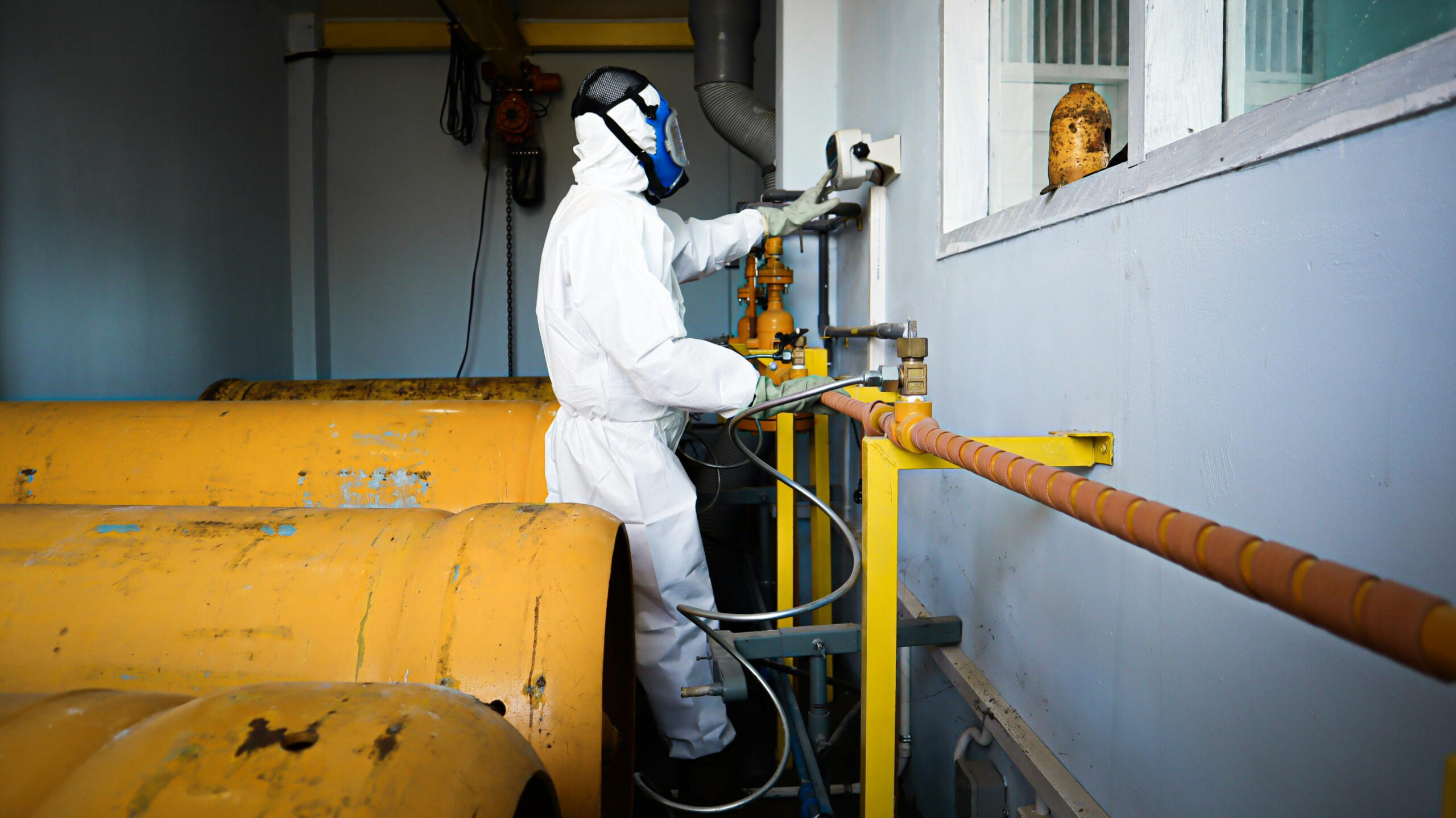
What is a Pre-Demolition Survey?
A pre-demolition survey is an essential process that evaluates a building’s structure, materials, and potential hazards before any demolition work begins. This evaluation is critical for ensuring safety, regulatory compliance, and a well-planned demolition process.
Key Takeaways
- Understand the process and importance of early building evaluations.
- Learn the key steps involved in assessing a structure before demolition.
- Discover the benefits of identifying hazards early.
- Gain insights into regulatory compliance and industry best practices
Overview of the Process
Before any demolition work starts, experts undertake a thorough evaluation of a building’s integrity and identify hidden risks. This initial evaluation examines structural components, hazardous materials, and environmental factors that could impact the demolition work.
By gathering comprehensive data, professionals develop a risk management plan that maintains safety and meets all regulatory requirements. In many cases, conducting a pre-demolition survey at this stage provides clarity and focus for the entire project.
Importance in Demolition Projects
This preliminary survey is a cornerstone of successful demolition projects. It serves to protect staff from unforeseen hazards and prevents delays that may incur additional costs.
For example, by identifying dangerous substances like asbestos early on, the survey ensures that legal and environmental compliances are met, paving the way for smooth project progression.
During early planning, detailed on-site inspections and structural document reviews allow project managers to refine strategies and tailor budgets, ultimately reducing unexpected risks. Often, a pre-demolition survey will highlight critical issues that might not be evident otherwise.
What is Included in a Pre-Demolition Survey?
Structural Integrity Assessment
The evaluation process begins with a detailed review of the building's structure. Experts assess potential weaknesses in walls, roofs, and foundations while also considering any alterations made previously, over time. Structural engineers work closely with surveyors using schematic drawings and building plans to verify findings, ensuring that no vulnerability is overlooked. This careful assessment provides a solid foundation for any demolition project, reinforcing the benefits of a pre-demolition survey in early risk assessment.
Potential Hazards Identification
A critical component of this evaluation is the detection of potential hazards. Specialists focus on identifying toxic materials such as asbestos, reviewing the conditions of electrical systems and plumbing, and analysing environmental issues like soil contamination. Each potential risk is carefully documented to build a comprehensive risk profile that guides safe demolition operations. This approach ensures that any hazardous elements are dealt with using appropriate safety measures.
Documentation and Report
Accurate record-keeping is crucial for every step of the process. All observations regarding structural issues and hazardous materials are meticulously documented in a formal report. This report acts as a blueprint for planning and executing the demolition, while also serving as a vital risk management tool that supports safety training and equipment allocation. Additionally, it meets legal requirements by providing clear, substantiated evidence of the survey’s findings. A final review of the pre-demolition survey report can offer even further opportunities to refine project plans.
Benefits of a Thorough Evaluation
Conducting this comprehensive evaluation offers numerous advantages:
- Early detection of potential dangers means that safety measures can be implemented promptly, significantly reducing on-site risks.
- Anticipating issues before the demolition begins helps avoid unexpected expenses and supports the overall cost efficiency of the project.
- This early phase plays a crucial role in ensuring that the project complies with health, safety, and environmental guidelines while facilitating effective project planning.
Regulatory Context in the United Kingdom
In the United Kingdom, demolition projects must adhere to strict health and safety standards. Authorities, including the Health and Safety Executive, provide detailed guidelines on managing demolition risks. For a more detailed explanation of these requirements, consult the HSE Demolition Guidance.
Advanced Techniques and Technology
Modern evaluations integrate advanced technology to ensure precision. Techniques such as 3D laser scanning produce detailed images of the structure, capturing subtle anomalies that might be missed by traditional methods.
Thermal imaging is utilised to detect unusual heat patterns that may indicate insulation issues or hidden decay.
Moreover, aerial surveys using drones cover larger structures comprehensively to ensure no area is overlooked.
These sophisticated methods enhance the overall accuracy and efficiency of the evaluation process and demonstrate the practical application of a pre-demolition survey.
Preparing for a Safe Demolition
Successful demolition hinges on effective preparation. The findings from the survey inform emergency response plans and are used to coordinate detailed safety briefings for all team members.
Collaboration with specialists in hazardous waste removal and environmental management is also organised based on the survey report. Integrating these insights into the project’s operational plan ensures that all potential risks are managed, enabling teams to work safely and efficiently.
Communicating with Stakeholders
Clear communication forms the backbone of every successful project. The insights gathered during the survey are shared with clients, contractors, and regulatory bodies to establish transparency and trust. Clients are reassured by the proactive risk management measures, while contractors use detailed reports to plan their tasks effectively. Moreover, sharing comprehensive documentation with regulatory bodies helps streamline approvals and ensures that safety standards are maintained throughout the project.
Best Practices for Ongoing Excellence
Leaders in the demolition field adhere to best practices that ensure every project is conducted safely and efficiently. Here are some of the best practices within the field:
- Regular updates to evaluation methodologies
- Close collaboration with structural engineers and hazardous material specialists
- Continuous training on current survey techniques and safety protocols
- Maintaining rigorous evaluation standards
- Leveraging advanced technologies
- Engaging with industry experts
These practices not only enhance safety and efficiency on every project site but also contribute to ongoing improvements in operational standards. Adopting these practices demonstrates a commitment to excellence and reinforces a company’s reputation as a responsible service provider.
Final Thoughts on the Pre-Demolition Survey Process
A pre-demolition survey is much more than a preliminary checklist—it is a detailed investigation that forms the bedrock of safe and effective demolition planning. By understanding what is a pre-demolition survey in depth, professionals can navigate the complexities of each project with confidence.
Maintaining rigorous survey standards, leveraging advanced technologies, and engaging with experts are all parts of a best practice approach that ultimately leads to enhanced safety and compliance on every site. With the guidance of recognised authorities, companies continuously improve their processes to ensure that each demolition project is executed flawlessly and safely.
Get in Touch
A pre-demolition survey, when done by experts, can give you peace of mind. Howard Stott Demolition Ltd. can give you that guarantee. Contact us now for a pre-demolition survey consultation.
Related News & Projects