

Understanding the Role of a Demolition Expert
In the complex world of construction and deconstruction, the role of a demolition expert is indispensable. These professionals ensure that demolition projects are executed safely, efficiently, and in compliance with environmental standards. This article delves into the intricacies of the expert’s role, highlighting their skills, responsibilities, and the value they bring to any demolition project.
The Role of a Demolition Expert
What Does a Demolition Expert Do?
An expert is responsible for planning and executing the safe dismantling of buildings and structures. This involves assessing the structural integrity, identifying hazards, and developing a demolition plan that ensures safety and efficiency.
Key Responsibilities
- Safety Assessments: Evaluating potential risks and ensuring all safety protocols are in place.
- Planning and Permits: Obtaining necessary permits and developing detailed demolition plans.
- Execution: Managing the actual demolition process, ensuring it adheres to the plan.
- Waste Management: Overseeing the proper disposal and recycling of demolition waste.
Required Skills
An expert must possess a diverse skill set, including:
- Technical Knowledge: Understanding of construction and demolition techniques.
- Safety Awareness: Expertise in health and safety regulations.
- Project Management: Ability to manage projects from planning to execution.
- Problem-Solving: Quickly addressing unexpected challenges.
The Demolition Process
Initial Assessment and Planning
The first step in any demolition project is a thorough assessment of the site. This involves structural evaluations, asbestos surveys, and planning for waste management.
Site Assessment
During the site assessment, the demolition expert evaluates the building’s structure, identifies hazardous materials, and assesses the surrounding environment to plan the safest approach.
Planning and Permits
Once the assessment is complete, the expert develops a detailed demolition plan, including timelines, equipment needed, and safety measures. Obtaining the necessary permits is also a crucial part of this stage.
Execution of Demolition
Controlled Demolition Techniques
Experts use various techniques depending on the project’s requirements. These include mechanical demolition, implosion, and selective demolition.
Mechanical Demolition
This involves using heavy machinery such as excavators and bulldozers to dismantle structures piece by piece.
Implosion
For large buildings, controlled explosions can be used to bring the structure down in a confined area, minimising impact on the surrounding environment.
Selective Demolition
This method focuses on carefully dismantling specific parts of a structure to preserve reusable materials and minimise waste.
Waste Management and Recycling
A critical aspect of an expert’s role is managing the waste generated from demolition. This includes separating recyclable materials and ensuring hazardous waste is disposed of safely.
Recycling Demolition Waste
Experts prioritise recycling materials like concrete, metals, and wood. This not only reduces landfill waste but also supports environmental sustainability.
Hazardous Waste Disposal
Asbestos and other hazardous materials must be handled with care. Experts are trained in proper removal and disposal techniques to protect public health and the environment.
Related News & Projects
Asbestos Exposure: Health Risks and Diseases It Can Cause
Read More
Asbestos Exposure: Health Risks and Diseases It Can Cause
Read More
Subscribe to our Newsletter
Newsletter
The Importance of Safety in Demolition
Safety Protocols and Regulations
Adhering to safety protocols is paramount in demolition. Experts ensure that all operations comply with local and national safety regulations, protecting workers and the public.
Personal Protective Equipment (PPE)
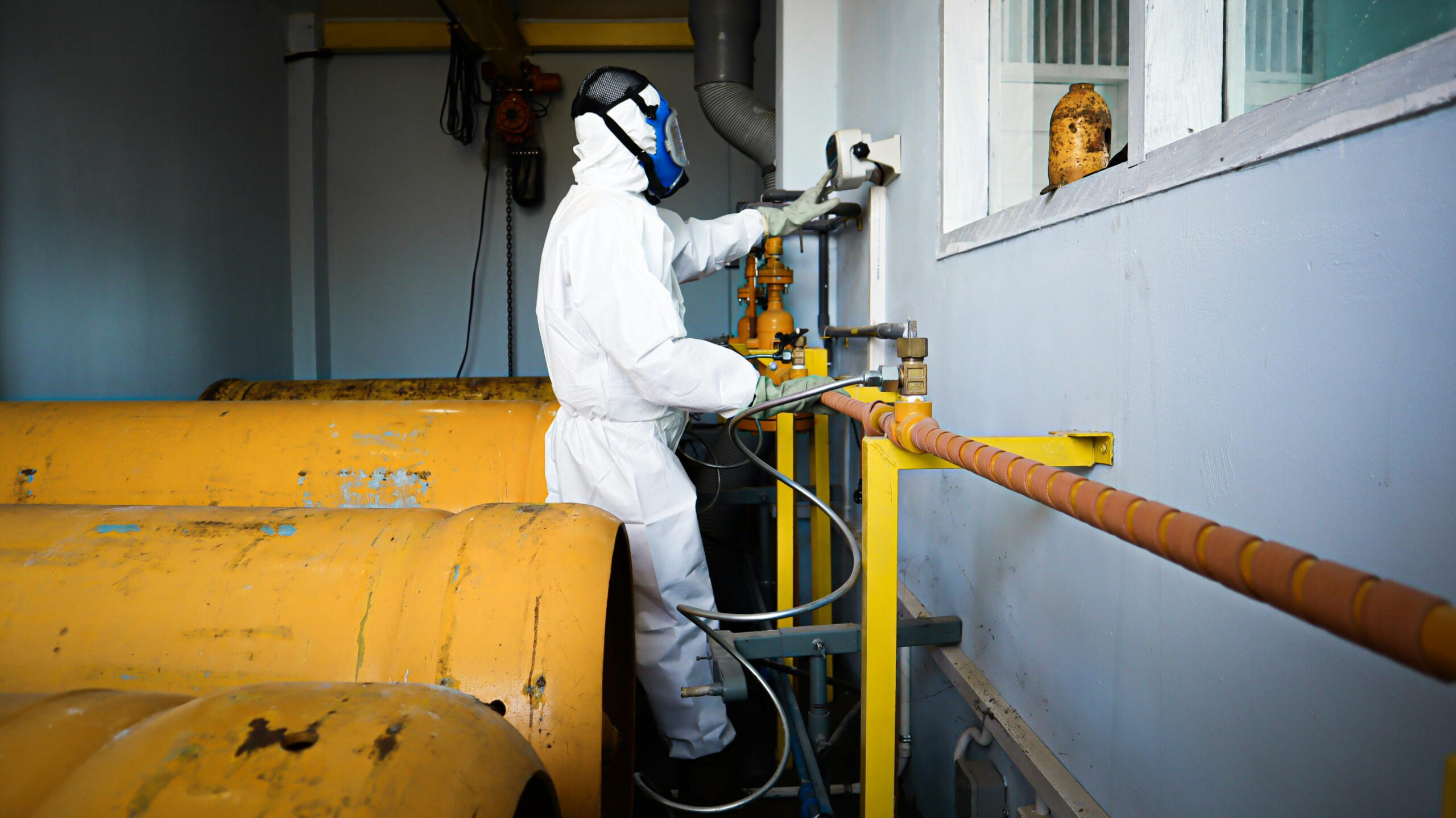
Ensuring all workers are equipped with the necessary PPE, such as helmets, gloves, and respirators, is a fundamental responsibility of the demolition expert.
Training and Certification
Ongoing training and certification in safety standards and demolition techniques are essential for maintaining high safety standards.
Choosing the Right Demolition Expert
What to Look For
When selecting a demolition expert, it’s important to consider their experience, reputation, and range of services offered.
Experience and Expertise
An expert with extensive experience will be better equipped to handle complex projects and unexpected challenges.
Comprehensive Services
Look for experts who offer a full range of services, including asbestos removal services, waste management, and demolition consultancy services.
Testimonials and Case Studies
Reviewing testimonials and case studies can provide insight into the quality of the expert’s work and their ability to deliver successful projects.
FAQs
What qualifications does a demolition expert need?
Experts typically need certifications in safety and demolition techniques, as well as extensive experience in the field.
How do experts handle asbestos?
Experts are trained in safe asbestos removal, following strict protocols to ensure it is handled and disposed of safely.
Can a demolition expert manage emergency demolitions?
Yes, many demolition experts offer emergency demolition services to handle urgent situations like structural failures or natural disasters.
What types of buildings can demolition experts handle?
Demolition experts can handle a variety of structures, from residential buildings to large commercial and industrial facilities.
Conclusion
A demolition expert is a crucial asset for any demolition project, ensuring safety, efficiency, and environmental responsibility. From initial planning to waste management, their expertise covers all aspects of the demolition process.
For comprehensive demolition services, including asbestos removal services, and demolition waste removal services, contact us at Howard Stott Demolition. Our work speaks for itself, and we are ready to assist with your demolition plant hire, rail demolition services, and more. Explore our demolition consulting services to see how we can help with your next project.