

Professional Demolition Waste Removal: The Ultimate Guide
Demolition projects generate vast amounts of waste, ranging from concrete and bricks to hazardous materials like asbestos. Professional demolition waste removal ensures that this debris is managed safely, efficiently, and in an environmentally friendly manner. In this comprehensive guide, we will delve into the intricacies of professional demolition waste removal, the best practices involved, and how Howard Stott Demolition can help you achieve seamless waste management for your project.
The Importance of Professional Demolition Waste Removal
Demolition waste management is not just about removing debris from a site. It’s about ensuring that all waste is handled in compliance with regulations while minimising environmental impact. Here’s why professional demolition waste removal is crucial:
Compliance with Regulations
Strict regulations govern the disposal of demolition waste, particularly hazardous materials. Non-compliance can lead to hefty fines and legal issues.
Environmental Sustainability
Proper sorting and recycling of demolition waste can significantly reduce the amount of material sent to landfills, promoting sustainability.
Safety Assurance
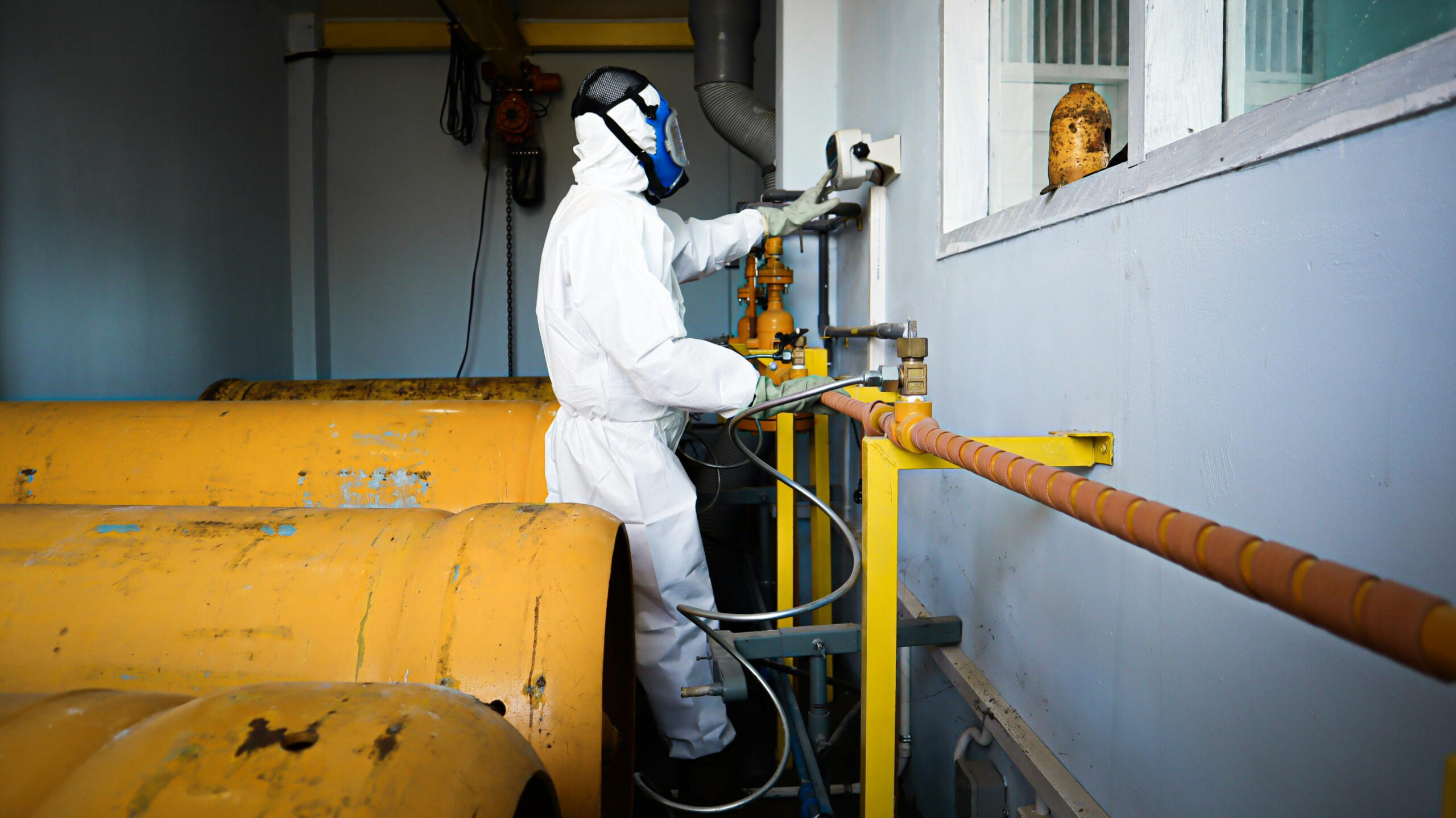
Demolition sites can contain hazardous materials such as asbestos, which require specialised handling. Professionals ensure these substances are disposed of safely.
Site Cleanliness and Organisation
Efficient waste removal keeps the demolition site organised, reducing the risk of accidents and ensuring smooth project progress.
Key Aspects of Professional Demolition Waste Removal
1. Waste Audit and Classification
Before starting any demolition project, a comprehensive waste audit is conducted to identify the types and quantities of waste expected. This classification helps in creating an efficient waste management plan. As an example, demolition waste can be classified as follows:
- Inert Waste: Bricks, concrete, and stones
- Hazardous Waste: Asbestos, chemicals, lead-based paints
- Non-Hazardous Waste: Wood, metals, plastics
- Mixed Waste: A combination of the above
2. Demolition Waste Management Plan
A Demolition Waste Management Plan (DWMP) outlines the strategy for handling waste on-site, including:
- Waste sorting methods
- Recycling and disposal options
- Health and safety protocols
- Emergency response plan
3. Sorting and Segregation
Efficient sorting and segregation of waste materials on-site is key to reducing disposal costs and improving recycling rates. Techniques that we might use for sorting and segregation may include the following:
- Manual Sorting: Picking waste manually for recycling or disposal
- Mechanical Sorting: Using machinery like trommels, screens, and magnets
- Density Separation: Separating materials based on density (e.g., air separators)
4. Recycling and Reuse
Modern professional demolition waste removal should prioritise recycling and reuse wherever it is possible. Common demolition waste materials that can be recycled include:
- Concrete and Bricks: Crushed into aggregates for new construction
- Metals: Smelted and reused in manufacturing
- Wood: Repurposed for furniture or energy production
5. Hazardous Waste Disposal
Handling hazardous construction materials requires specialised expertise. A good example of this is asbestos, and at Howard Stott Demolition we tackle asbestos removal in the following way:
- Survey and Identification: Identify asbestos-containing materials
- Encapsulation or Removal: Safely encapsulate or remove asbestos
- Disposal: Transport asbestos to authorised disposal facilities
6. Waste Disposal and Crushing Services
For non-recyclable waste, landfill disposal may be necessary. Crushing services help reduce waste volume, making transport easier and cheaper, and also have the following extra advantages:
- Mobile crushers can be brought to demolition sites
- Crushed materials can be reused as backfill or aggregate
7. Documentation and Reporting
Professional demolition waste removal involves maintaining detailed records of waste types, quantities, and disposal methods.
8. Compliance and Certification
Related News & Projects
Asbestos Exposure: Health Risks and Diseases It Can Cause
Read More
Asbestos Exposure: Health Risks and Diseases It Can Cause
Read More
Subscribe to our Newsletter
Newsletter
Certification - such as ISO 14001 (Environmental Management) - assures clients of a company’s commitment to sustainability.
Best Practices in Professional Demolition Waste Removal
1. Early Involvement of Waste Management Experts
Involve waste management professionals in the early stages of project planning to identify potential challenges and develop effective strategies.
2. Implement a Waste Hierarchy
Adopt the waste hierarchy (Reduce, Reuse, Recycle, Recover, Dispose) to minimise environmental impact.
3. Regular Staff Training
Ensure all workers are trained in the safe handling and segregation of demolition waste.
4. Monitor and Adjust Waste Management Plans
Regularly review the DWMP to accommodate any changes in project scope or regulations.
5. Collaborate with Certified Partners
Work with certified recycling facilities and disposal partners to ensure compliance and minimise environmental impact.
Howard Stott Demolition - Your Professional Demolition Waste Removal Partner
With over 40 years of experience, Howard Stott Demolition offers comprehensive demolition waste removal services. Here’s how we stand out:
Our Services
- Demolition Services: Safe and efficient demolition for commercial and residential projects.
- Asbestos Removal Services: Expert handling and disposal of hazardous asbestos.
- Demolition Waste Removal Services: Comprehensive waste sorting, recycling, and disposal.
- Demolition Consulting Services: Professional guidance throughout the demolition project lifecycle.
- Emergency Demolition Number: Offering 24/7 assistance for emergency demolitions.
- Demolition Plant Hire: Quality machinery for safe and efficient demolition.
- Rail Demolition Services: Specialised demolition for rail infrastructure.
Our Work Process
Step 1: Initial Consultation and Site Assessment
We assess the site, classify waste, and identify potential hazards.
Step 2: Waste Management Planning
A detailed DWMP is developed, outlining waste handling protocols, recycling strategies, and disposal methods.
Step 3: Implementation
Our experienced team ensures safe demolition and waste removal, according to the DWMP that’s been drawn up for the project.
Step 4: Reporting and Compliance
Comprehensive documentation and reporting ensure compliance with all applicable regulations.
Frequently Asked Questions (FAQs)
What types of waste are generated during demolition?
Can all demolition waste be recycled?
Not all demolition waste can be recycled. However, materials like concrete, metals, and wood can often be reused.
Why is professional demolition waste removal necessary?
Professional demolition waste removal ensures safe handling of hazardous materials, compliance with regulations, and environmental sustainability.
How is asbestos managed in demolition projects?
Asbestos is identified through surveys, encapsulated or removed by specialists, and disposed of at authorised facilities.
What is a Demolition Waste Management Plan (DWMP)?
A DWMP is a comprehensive plan outlining waste handling protocols, recycling strategies, and safety procedures for a demolition project.
How do crushing services aid in demolition waste removal?
Crushing services reduce the volume of waste, making it easier to transport and enabling reuse as aggregates.
What safety measures are taken during demolition waste removal?
Safety measures include waste segregation, proper use of personal protective equipment (PPE), and strict adherence to safety protocols.
What should I look for in a professional demolition waste removal company?
Look for certifications (e.g., ISO 14001), experience, positive client reviews, and comprehensive waste management services.
How does Howard Stott Demolition ensure environmental compliance?
Howard Stott Demolition adheres to environmental regulations, maintains detailed waste records, and partners with certified recycling facilities.