

Understanding Demolition Waste: Disposal and Management
Per the European Environment Agency, the meaning of demolition waste is as follows: “Rubble and other waste material arising from the construction, demolition, renovation or reconstruction of buildings or parts thereof, whether on the surface or underground.” Demolition waste management is an important part of the construction industry, as proper management helps companies working in the industry to protect the environment and save resources. At Howard Stott Demolition, we make sure to handle waste responsibly, and we’ll show you how we do it in this blog.
Key Takeaways:
| Definition | Waste materials resulting from the demolition of buildings or structures |
| Types | Non-hazardous (concrete, wood, metals) and hazardous (asbestos, lead-based paints) |
| Environmental Impact | Fills up landfills, causes pollution, uses up resources |
| Legal Requirements | Must follow UK rules like Environmental Protection Act 1990 |
| Best Practices | Reduce waste, separate materials, recycle, dispose properly |
What is Demolition Waste?
Demolition waste is what’s left over when we knock down buildings. It includes many different materials such as:
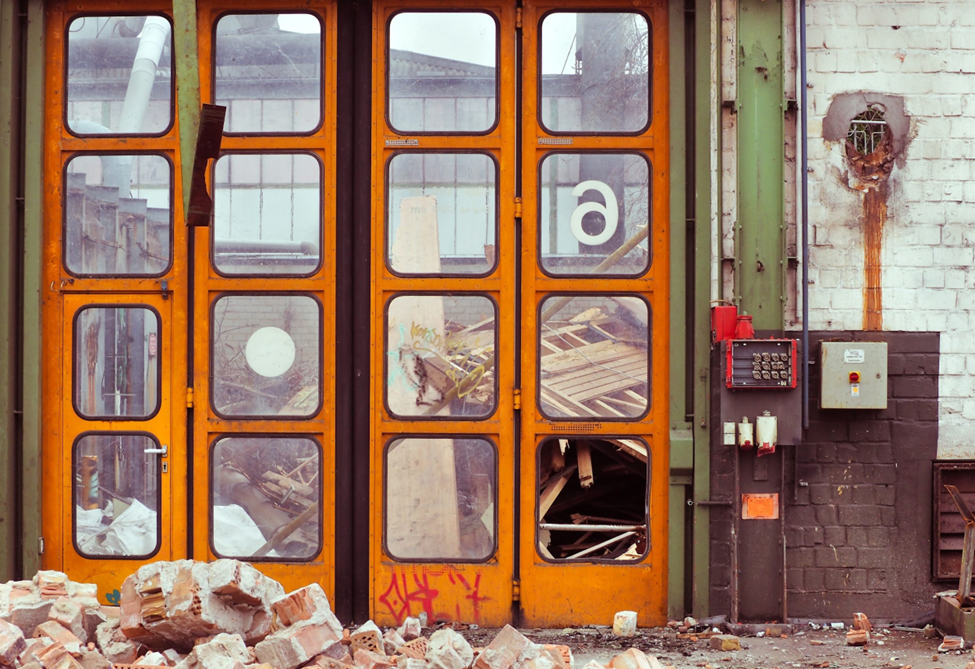
- Concrete and bricks
- Wood and timber
- Metal and steel
- Glass and plastics
- Electrical wiring
- Insulation materials
It is estimated that the UK generated 59.4 million tonnes of non-hazardous construction and demolition (C&D) waste in 2020, of which 55.0 million tonnes were recovered. This shows why it's so important to manage waste well in our industry. We need to handle this huge amount of waste carefully to protect the environment and save resources.
Types of Demolition Waste
- Non-hazardous waste: This is most building materials like concrete, wood, and metals. We can often recycle or reuse these, and they're not as risky for the environment or people's health.
- Hazardous waste: This includes things like asbestos, lead-based paints, and some chemicals. We need to be extra careful with these because they can be dangerous to people and the environment.
Environmental Impact of Demolition Waste
If we don't get rid of this waste properly, it can cause serious problems for the environment:
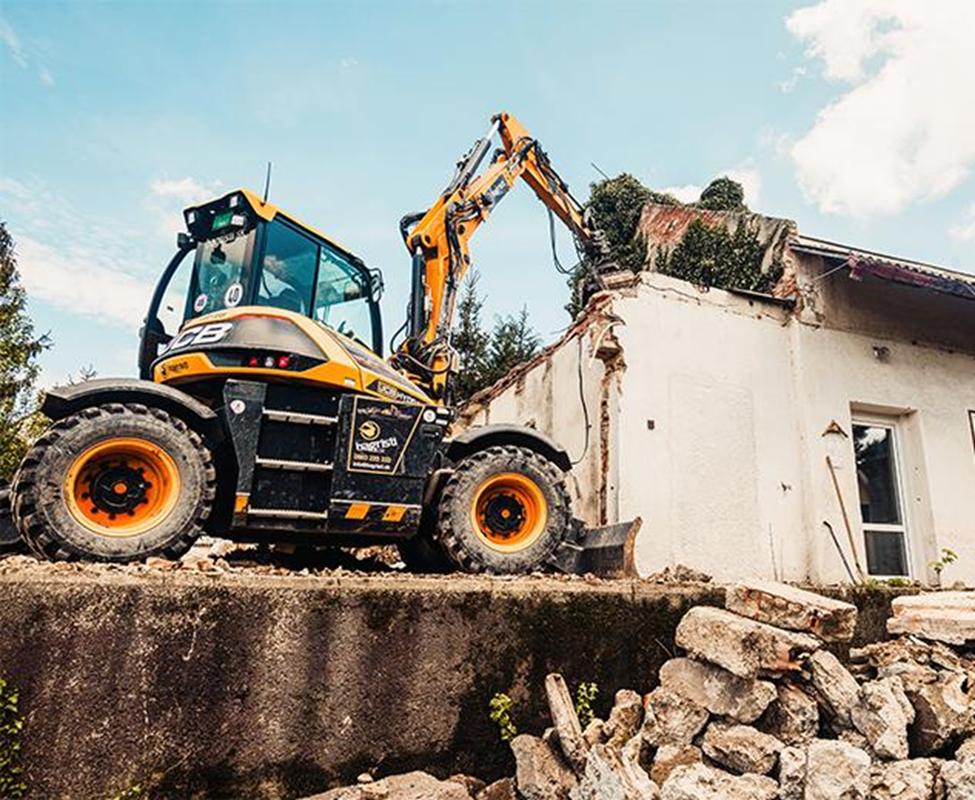
- Filling up landfills: Waste can quickly consume a lot of space in landfills.
- Polluting soil and water: Dangerous materials can leech into the ground and water, causing long-lasting pollution.
- Air pollution: Dust and fumes from demolition and moving waste can make the air dirty.
- Using up natural resources: When we don't recycle or reuse materials, we need to get new ones, which use up more of nature's resources.
That's why at Howard Stott Demolition, we work hard to manage waste in a way that's good for the environment. We use methods to keep dust down to a minimum, use vehicles that don't pollute much, and try to recycle and reuse as much as we can.
Legal Requirements for Demolition Waste Disposal
In the UK, there are laws about how to get rid of demolition waste. The main regulations governing this type of waste management include:
| Environmental Protection Act 1990 | Sets framework for waste management | Mandatory |
| Waste (England and Wales) Regulations 2011 | Waste hierarchy, separate collection of materials | Mandatory |
| Hazardous Waste Regulations 2005 | Classification and disposal of hazardous waste | Mandatory |
| Site Waste Management Plans Regulations 2008 | Planning and monitoring of construction waste | Recommended |
| Landfill Directive | Restrictions on waste sent to landfill | Mandatory |
Following these rules is important to avoid fines and legal problems. At Howard Stott Demolition, we make sure all our projects follow these laws. We keep up with any new laws or regulations as they’re introduced, and make sure we're always doing things the right way.
Best Practice for Demolition Waste Management
To manage demolition waste well, we use several key strategies:
- Waste Reduction: We plan carefully to make less waste. This means taking buildings apart carefully to save materials we can reuse.
- Segregation: We separate different types of waste on-site. This makes it easier to recycle and get rid of waste properly.
- Recycling: We look for materials we can recycle or reuse. For example, we might crush concrete to use it again or save wood for other projects.
- Proper Disposal: We make sure dangerous materials are thrown away correctly, following all applicable safety rules.
Our team at Howard Stott Demolition uses these practices on every job to work efficiently and protect the environment. We also train our staff regularly so they’re always up to date with the latest ways to manage waste.
Related News & Projects
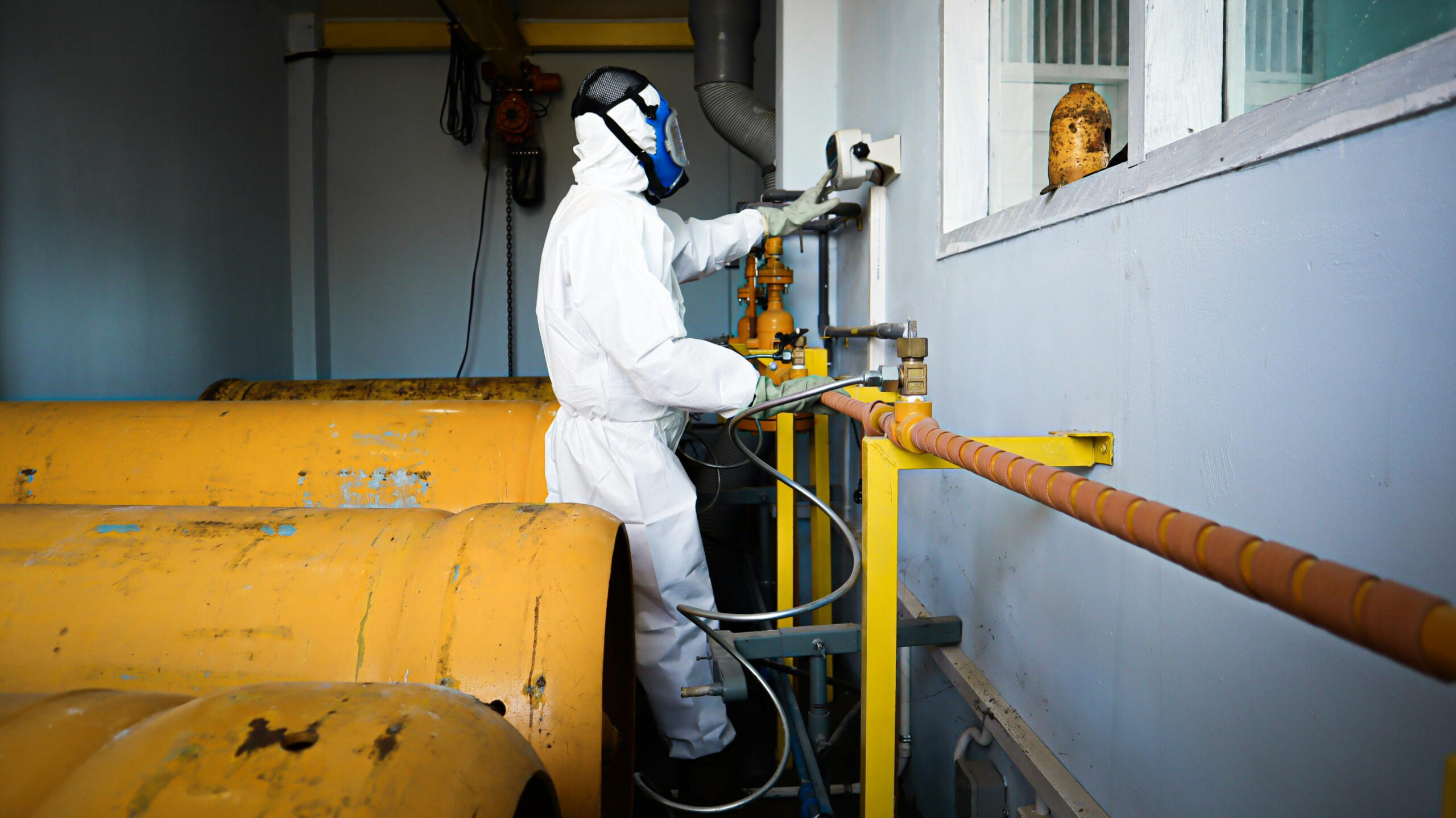
Asbestos Exposure: Health Risks and Diseases It Can Cause
Read More
Subscribe to our Newsletter
Newsletter
Recycling and Reuse of Demolition Materials
Many demolition materials can be recycled or reused. This helps reduce waste and save resources. Common recyclable materials include:
- Steel
- Concrete
- Metals (non-ferrous)
- Asphalt
- Brick
At Howard Stott Demolition, we focus on recycling and reusing materials in our waste management strategies. This helps make the construction industry more sustainable. We work with recycling centres and experts to recycle as much as possible from each project.
Hazardous Waste Handling in Demolition
Dealing with hazardous waste needs special care and knowledge. Common dangerous materials in demolition include:

- Asbestos: Found in older buildings, often in insulation and roofing
- Lead-based paints: Common in buildings built before 1978
- PCBs (Polychlorinated Biphenyls): Often in electrical equipment and some building materials
- Mercury: Found in some types of lighting and switches
Our team at Howard Stott Demolition is trained to handle asbestos removal and other dangerous waste safely. We carefully check each site before demolition to find any hazardous materials and plan how to handle them properly.
Cost Considerations in Demolition Waste Disposal
The cost of getting rid of this waste can change based on several things:

While managing waste properly might seem expensive at first, it often saves money in the long run as it can reduce disposal fees and help avoid fines. At Howard Stott Demolition, we work with our clients to find ways to manage waste that is good for the environment and doesn't cost too much.
The Future of Demolition Waste Management
The demolition industry is changing, with new technologies and practices to improve waste management:
- Advanced recycling techniques: New ways to process and reuse materials we used to throw away
- Digital waste tracking systems: Technology that helps us keep track of waste in real-time and manage it better
- Sustainable demolition methods: Techniques that create less waste and are better for the environment from the very start
- Circular economy principles in construction: Designing buildings so we can take them apart and reuse the materials in the future
At Howard Stott Demolition, we're always learning about these new developments. We invest in training and technology to make sure our services are up-to-date and environmentally friendly.
Conclusion
Managing demolition waste properly is important for protecting the environment, following the law, and saving money. At Howard Stott Demolition, we're committed to handling waste responsibly, making sure our projects are efficient and good for the environment.
If you need expert demolition services that take care of waste properly, contact us today. Let's work together to make the construction industry more sustainable.