Essential Guide to Effective Demolition Project Management
Demolition projects are complex and risky jobs that need careful planning and execution. Good management is crucial for safety, efficiency, and following rules. This guide will help you understand how to run demolition projects safely and efficiently, from start to finish.
Key Takeaways
- Safety is the most important thing in demolition project management
- Careful site checks and planning are vital for success
- Proper waste management and recycling can help the environment
- Choosing the right demolition method is key for efficiency
- Using technology can improve safety and productivity
- Good communication with everyone involved is essential
- Being able to handle unexpected problems is an important skill
What is Demolition Project Management?
Demolition project management involves planning, coordinating, and overseeing the safe and efficient removal of buildings or structures. It requires careful preparation, strict safety measures, and responsible waste handling. Professional demolition companies use expert techniques and special equipment to tear down buildings while keeping workers, the public, and the environment safe. This process needs a good understanding of building structures, environmental rules, and how to manage risks to make sure each part of the demolition is done carefully and correctly.


Key Steps in Demolition Project Management
- Conduct thorough site assessment and planning
- Develop comprehensive safety protocols
- Obtain all necessary permits and approvals
- Select appropriate demolition methods for the project
- Create waste management and recycling plans
- Execute demolition with ongoing monitoring
- Perform final site cleanup and inspection
Site assessment and planning: This first step involves checking the building to be demolished, including what it's made of, how strong it is, and any possible dangers. It also includes making a detailed schedule and plan for using resources.
Safety protocol development: Creating a strong safety plan that covers all possible risks and outlines ways to prevent accidents, what to do in emergencies, and what protective equipment workers need to wear.
Obtaining necessary permits: Getting all the required permissions from local and national authorities to make sure the project follows all the rules.
Selecting appropriate demolition methods: Analysing what the project needs to choose the best demolition techniques, considering things like the size of the building, where it is, and how it might affect the environment.
Waste management and recycling planning: Developing ways to reuse as much material as possible and reduce waste going to landfills, including finding recycling opportunities and working with waste management companies.
Execution and monitoring: Carrying out the demolition plan while constantly checking progress, safety, and environmental impact, and making changes if needed to ensure the project succeeds.
Final site cleanup and inspection: Thoroughly clearing the site of all debris, doing final safety checks, and getting the area ready for future use or development.
Safety First: The Core of Demolition Management
Safety is the most important part of any demolition project. Good managers always put safety first, above everything else. This strong commitment to safety includes many important practices:
- Doing thorough checks before demolition to find and assess potential dangers, especially looking for asbestos and other harmful materials
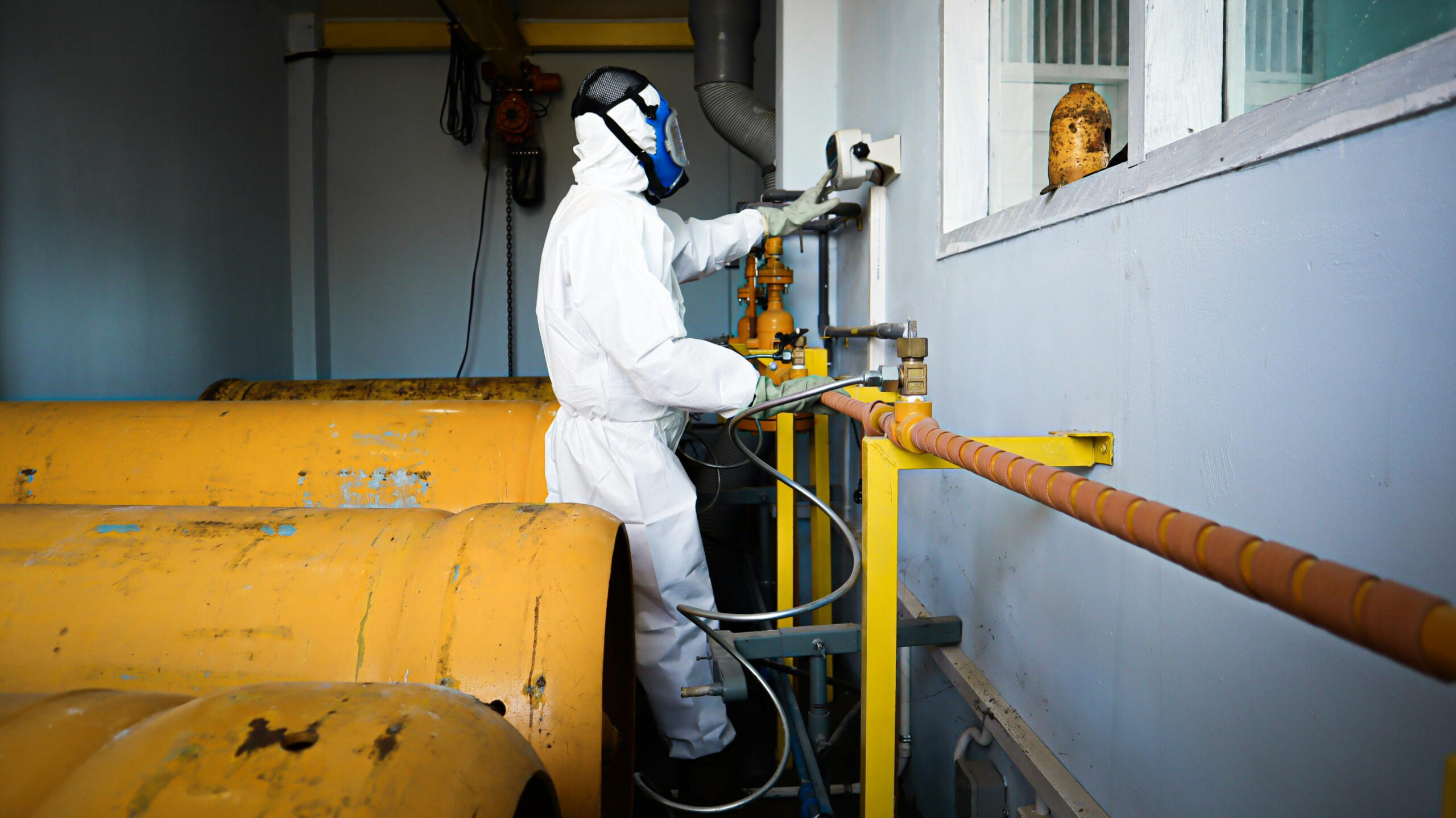
- Giving workers the best protective equipment for each project's specific risks, including breathing protection, fall protection, and protective clothing
- Providing comprehensive safety training that covers general construction safety and special demolition techniques
- Creating and updating detailed emergency plans for different situations, from medical emergencies to building collapses
- Setting up clear communication systems so all team members know about safety procedures and can quickly warn others about potential dangers
Proper asbestos removal is especially important for demolition safety. Asbestos is very dangerous when disturbed and needs to be handled very carefully. Only trained and certified experts should identify, remove, and dispose of materials containing asbestos to prevent harmful fibers from getting into the air and to protect the health of workers and people living nearby.
Choosing the Right Demolition Method
Picking the right demolition method is a crucial decision that can greatly affect how efficient, safe, and environmentally friendly the project is. The best approach depends on many factors, including how the building is constructed, where it's located, and what the project aims to achieve. Here's a look at common demolition methods and when they're used:
- Mechanical demolition with machines: This method uses heavy equipment like excavators with special attachments such as hydraulic hammers, grapples, and shears. It works well for large structures and can be very efficient, but needs skilled operators to ensure precision and safety.
- Implosion for tall buildings: This is used for high-rise structures or buildings in crowded areas. It uses carefully placed explosives to make a building collapse inward on itself. This method needs a lot of planning and expertise to do safely and follows strict rules.
- Manual demolition for careful removal: This approach uses hand-held tools and is best for selective demolition in buildings that are still being used or when certain parts of the structure need to be preserved. It offers precise control but takes more time and labor.
- Soft strip, to save valuable materials: Soft strip demolition involves carefully removing non-structural elements like fixtures, fittings, and finishes before the main demolition begins. It's environmentally friendly and allows for the recovery and potential reuse of valuable materials, reducing waste and possibly lowering project costs.
- Deconstruction: This method involves taking apart a structure piece by piece to maximise the recovery of materials for reuse or recycling. While it takes more time than traditional demolition, it can be very beneficial for historic buildings or projects with important sustainability goals.


Managing Demolition Waste
Good waste management is a crucial part of responsible demolition project management. Demolition usually creates a lot of waste, which can be both a challenge for the environment and an opportunity to recover resources. Skilled project managers develop comprehensive strategies to handle this waste efficiently and sustainably. They try to maximise recycling efforts, not only to reduce environmental impact but also to potentially lower project costs through material recovery. Professional waste management is essential to the success of any demolition project and includes several key aspects:
- Doing waste audits before demolition to identify recyclable materials and hazardous substances
- Developing detailed plans for separating different types of waste to make sorting and processing easier
- Setting up partnerships with local recycling facilities and waste management companies
- Crushing and screening concrete and masonry on-site for reuse as aggregate
- Ensuring proper disposal of hazardous materials in line with environmental regulations
- Tracking and documenting how much waste is diverted from landfills to meet sustainability goals and regulatory requirements
- Exploring innovative ways to reuse salvaged materials, possibly working with local artists or builders
Using Technology in Demolition Projects
The use of new technology is changing the demolition industry, making it safer, more efficient, and allowing for more precise planning and execution. These technological advancements are improving various aspects of demolition project management:
- Drones for site surveys: These flying cameras with special sensors provide detailed aerial images and 3D maps of demolition sites. This technology allows for thorough site assessments, progress monitoring, and spotting potential hazards without putting people at risk.
- 3D modeling for better planning: Advanced 3D scanning technologies help create accurate digital models of structures. These models help plan demolition sequences, identify weak points in the structure, and visualise potential challenges before work begins.
- Robots for dangerous tasks: Remote-controlled demolition robots can work in hazardous or tight spaces, doing jobs that would be too risky for human workers. These machines are especially useful in environments with potential chemical or structural dangers.
- Specialised software for project tracking: Project management software designed for the demolition industry helps managers monitor progress, manage resources, keep track of safety protocols, and ensure compliance with regulations. These tools often include mobile apps for real-time reporting and communication among team members.
- Wearable technology for worker safety: Smart helmets and vests with sensors can monitor workers' health signs, detect falls, and alert supervisors to potential safety hazards in real-time.
- Augmented Reality (AR) for training and visualisation: AR technology can provide immersive training experiences for demolition crews and overlay digital information onto real-world views of the demolition site, helping with decision-making and safety awareness.
Dealing with Unexpected Problems
Even with careful planning, demolition projects can face unexpected challenges that require quick thinking and flexible management strategies. A skilled project manager must be ready to handle a wide range of potential issues that can come up during a demolition. Being prepared to address unexpected problems is crucial for keeping projects on schedule, ensuring safety, and managing costs effectively. Some common unexpected issues and ways to deal with them include:
Finding Hidden Hazards
Discovering unexpected asbestos, lead-based paint, or other dangerous materials can significantly impact project timelines and costs. Managers should have backup plans ready for quickly assessing and safely removing such materials, including partnerships with specialised cleanup contractors.
Weather Delays
Bad weather can pose safety risks and slow down demolition progress. Flexible scheduling and the ability to quickly reassign resources are essential. Managers should also consider weather-resistant equipment and materials when planning for projects in areas prone to extreme conditions.
Equipment Breakdowns
Mechanical failures can cause significant delays. Maintaining a network of equipment suppliers and having backup plans for critical machinery can help reduce this risk. Regular maintenance schedules and on-site repair capabilities are also important considerations.
Changes in Local Rules or Regulations
Sudden changes in demolition regulations or permit requirements can impact project execution. Keeping open lines of communication with local authorities and staying informed about potential regulatory changes can help managers anticipate and adapt to new requirements.
Structural Surprises
Encountering unexpected structural elements or weaknesses not identified in initial surveys can require changes to the demolition approach. Having structural engineers on call and maintaining flexibility in demolition methods can help address these challenges safely and efficiently.
Community Concerns or Opposition
Unexpected resistance from local residents or businesses can delay projects. Proactive community engagement and having a plan for handling communication crises can help manage these situations effectively.
Having a comprehensive backup plan is crucial for keeping the project moving forward when faced with unexpected challenges. This plan should outline potential risks, strategies to reduce those risks, and alternative approaches for various scenarios. Regular team briefings and open communication channels ensure that all project members are prepared to respond quickly and effectively to any issues that arise, keeping the project on track despite unforeseen obstacles.
Working with the Community
Good community engagement is a critical part of successful demolition project management, especially in urban or densely populated areas. Demolition activities can significantly impact nearby residents and businesses, making clear and proactive communication essential for maintaining positive relationships and ensuring smooth project execution. Good managers recognise the importance of being transparent and working with the local community throughout the demolition process. Key aspects of community engagement include:
- Providing detailed timelines: Offering clear information about how long the demolition project is expected to take, including specific phases that may cause more disruption than others. This helps local stakeholders plan accordingly and know what to expect.
- Explaining the project scope: Sharing comprehensive information about the extent of the work, including the reasons for the demolition and any future development plans for the site. This context can help build understanding and support for the project.
- Detailing expected impacts: Offering honest and detailed information about potential disruptions such as noise, dust, vibration, and traffic changes. This should include the measures being taken to minimise these impacts and any compensation or mitigation strategies in place.
- Outlining safety measures: Clearly communicating the extensive safety protocols in place to protect both workers and the public. This can include information about site security, dust control techniques, and traffic management plans.
- Establishing communication channels: Setting up dedicated phone lines, email addresses, or community liaison officers to address concerns and questions from local residents and businesses promptly.
- Hosting community meetings: Organising informational sessions or town halls where project managers can present plans, answer questions, and address concerns directly with community members.
- Providing regular updates: Using various communication methods (e.g., newsletters, social media, local press) to keep the community informed about project progress, any changes to timelines, and upcoming activities that may affect them.
- Offering site tours or viewing areas: When safe and practical, providing opportunities for community members to observe the demolition process can foster interest and understanding.
Clear and consistent communication helps prevent misunderstandings, builds trust with the local community, and can significantly reduce the likelihood of complaints or opposition that could delay the project. By actively engaging with stakeholders and showing a commitment to minimising disruption, demolition project managers can create a more cooperative atmosphere and ensure smoother project execution.
Conclusion: Keys to Successful Demolition Project Management
Effective management of a demolition project requires a multi-faceted approach that balances safety, efficiency, environmental responsibility, and community relations. The key elements of successful demolition project management include:
- Making safety the top priority in all aspects of planning and execution, ensuring the well-being of workers, the public, and the environment
- Conducting thorough and careful planning before starting any demolition activities, including comprehensive site assessments, risk evaluations, and the development of detailed project timelines
- Selecting the most appropriate demolition methods and tools for each specific project, taking into account factors such as building structure, location, and environmental impact
- Implementing responsible waste management practices that maximise recycling and material recovery, minimising the project's environmental footprint
- Maintaining flexibility and readiness to address unexpected issues promptly and effectively, with comprehensive backup plans in place
- Fostering clear and consistent communication with all stakeholders, including workers, local authorities, and the surrounding community
- Using advanced technologies to enhance project safety, efficiency, and precision
- Ensuring full compliance with all relevant regulations and industry best practices throughout the project lifecycle
- Continuously monitoring and evaluating project progress, making data-driven decisions to optimise performance and outcomes
By following these principles and best practices, project managers can successfully navigate the complexities of demolition projects, ensuring safe, efficient, and environmentally responsible outcomes. For those seeking expert help in demolition project management, contact Howard Stott Demolition for professional demolition services backed by years of experience and a commitment to excellence in every aspect of the demolition process.
Related News & Projects