House Demolition Guide: Costs, Process, and What to Expect
House demolition is taking down residential buildings safely and efficiently. Whether you're planning to rebuild, sell your land, or remove an old house, it's important to understand how demolition works. Let's explore what house demolition involves and how much it typically costs.
Key Points:
- Residential Demolition in the UK usually costs between £5,000 and £25,000
- The price depends on things like how big the house is, where it's located, what it's made of, and if there are any dangerous materials
- Professional residential demolition keeps everyone safe, follows the law, and handles waste properly
- The process includes checking the site, making plans, turning off utilities, and carefully taking down the building
- Good planning and hiring experienced workers are really important for a successful demolition
What is House Demolition?
House demolition means taking down a house in a controlled way. This can be anything from knocking down a small cottage to removing a big multi-storey home. Professional demolition services use special equipment to make sure the building comes down safely. They have to plan carefully, follow safety rules, and think about how it affects the environment.
Types of House Demolition
There are different ways to demolish a house:
- Complete Demolition: The whole house is removed, leaving an empty space. People often choose this when they want to build something new or sell the land.
- Partial Demolition: Only parts of the building are taken down, usually when someone is renovating. This needs to be done carefully to avoid damaging the rest of the house.
- Deconstruction: This is a more eco-friendly way where the house is taken apart piece by piece to save materials for reuse or recycling. It takes longer but can save money by reusing materials.
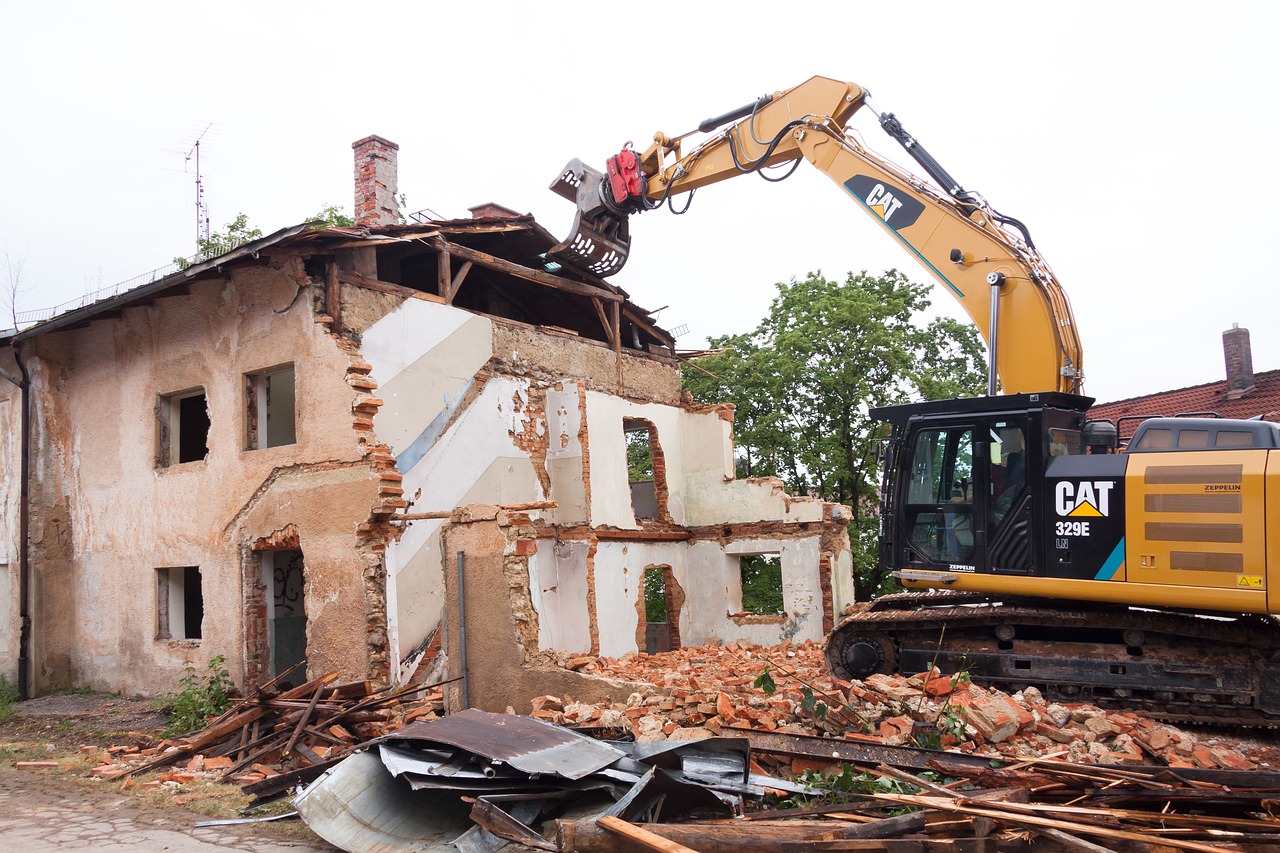
High-reach demolition might be needed for tall buildings, while smaller homes can usually be demolished with regular machines like excavators and bulldozers. The method depends on things like how tall the building is, what's around it, and how it might affect the environment.
The House Demolition Process
Demolishing a house involves several important steps:
- Checking the site and making plans: Experts look at the house, find any possible dangers, and decide how to take it down.
- Getting permits: Getting all the necessary permissions from local authorities before starting work.
- Turning off utilities: Safely disconnecting electricity, gas, water, and sewage to prevent accidents and pollution.
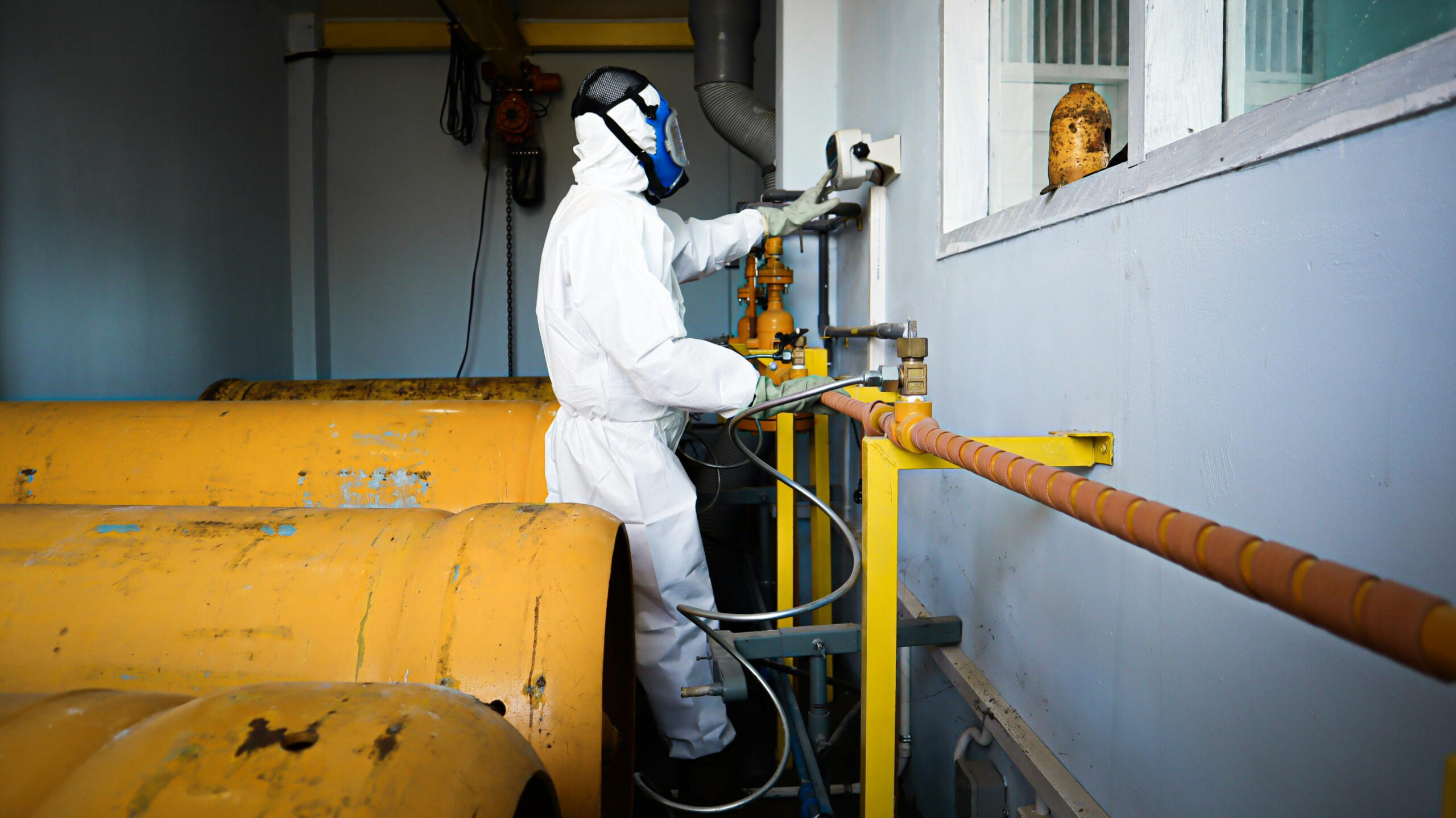
- Removing dangerous materials (like asbestos): Special teams remove and dispose of these materials following strict safety rules.
- Taking down the building: Using the chosen method to carefully take apart or collapse the house.
- Cleaning up the site: Clearing away all the debris, recycling what they can, and getting the site ready for whatever comes next.
Each step needs careful planning to make sure everything is safe and follows local rules. Professional demolition companies know how to do this efficiently and avoid risks and legal problems.
How Much Does House Demolition Cost?
The home demolition cost can vary a lot depending on several things. Here's a general idea of the average costs in the UK:
Average House Demolition Costs
These are just estimates, and real costs can be different. On average, you might pay between £6,000 and £25,000 for a residential demolition project in the UK. The big range is because there are so many different types of houses and situations.
Things That Affect House Demolition Costs
Several key factors influence how much it costs to demolish a house:
- How big the house is: Bigger homes need more time, people, and equipment, which costs more.
- Where the house is and how easy it is to get to: Demolishing in cities or hard-to-reach places can cost more because it's trickier.
- What the house is made of: Brick and concrete buildings usually cost more to demolish than wooden ones.
- If there are dangerous materials (like asbestos): Removing these safely costs extra.
- How the house is demolished: Taking it apart by hand costs more than using machines for bigger houses.
- Local permits and fees for getting rid of waste: These change depending on where you are and can add a lot to the cost.
- How much cleanup is needed: If there's a lot to clear away or if you want to recycle a lot, it might cost more.
It's a good idea to get a professional to look at your house and give you a proper estimate. You can contact a demolition expert to get a detailed breakdown of costs for your specific project.
Why Professional Demolition Services Are Important
While you might think about trying to demolish your house yourself to save money, professional services offer some big advantages:
- They know how to demolish safely: Professionals are trained to handle unexpected problems and keep risks low.
- They can deal with dangerous materials properly: Certified experts can safely remove and dispose of things like asbestos or lead paint.
- They follow all the local rules: Demolition companies know all the legal requirements, making sure your project meets all standards.
- They work quickly: With special equipment and experienced teams, professionals can finish demolitions much faster than you could on your own.
- They're less likely to damage nearby properties: Their precise techniques and insurance protect you from potential problems.
Accredited demolition companies have the right equipment, experience, and insurance to do demolitions safely and efficiently. Their expertise not only makes the process smoother but can also save money in the long run by avoiding costly mistakes or legal issues.
Environmental Considerations in House Demolition
Modern demolition practises try to be environmentally responsible. This includes:
- Recycling and reusing materials when possible: Many parts of a house can be saved and reused, which reduces waste and might save some money.
- Properly disposing of waste that can't be recycled: Making sure materials are thrown away according to environmental rules.
- Reducing dust and noise: Using water sprays and noise barriers to bother the neighbourhood less.
- Using machines efficiently to reduce pollution: Modern equipment and good planning can significantly reduce the environmental impact of demolition.
Asbestos removal and handling other dangerous materials are crucial parts of environmentally responsible demolition. Professional services make sure these materials are handled safely and disposed of properly, protecting both workers and the environment.
Getting Ready for House Demolition
If you're planning to demolish your house, here are some important steps to take:
- Research and choose a good demolition company: Look for experience, qualifications, and good reviews.
- Get the necessary permits and approvals: Work with your chosen company to get all the required legal paperwork.
- Tell your neighbours about the upcoming demolition: Letting them know is polite and helps them prepare for temporary disruptions.
- Remove valuable items and personal belongings: Make sure the house is completely empty before demolition starts.
- Arrange for utilities to be disconnected: Work with local utility companies to safely turn off services.
- Consider saving any reusable materials: Identify items that can be saved for reuse or donation before demolition.
Good preparation can help make sure the demolition process goes smoothly. It also gives you a chance to save valuable materials and reduce waste, which might help offset some of the demolition costs.
Conclusion: Making a Smart Decision
Residential demolition is a big job that needs careful planning and professional know-how. While costs can vary a lot depending on things like how big the house is, where it's located, and how it's demolished, using professional services ensures everything is done safely, efficiently, and according to the rules.
When thinking about house demolition, it's important to:
- Understand everything involved in the project, including possible challenges and environmental concerns
- Get quotes from several good demolition companies to compare services and costs
- Think about the environmental impact and recycling options to reduce waste and maybe save some money
- Make sure all legal and safety requirements are met to avoid fines or other problems
By considering these factors and working with experienced professionals, you can handle the demolition work process confidently. Whether you're clearing land for a new building or removing an old structure, professional demolition services provide the expertise needed to complete the job safely and efficiently.
For more information or to talk about your specific house demolition needs, contact Howard Stott Demolition. Our team of experts is ready to give you a thorough assessment and a demolition plan tailored to your needs, ensuring your project is handled with great care and professionalism.
Related News & Projects