Demolition Management Plan: What It Is and Why It Matters
Without careful planning, demolition projects can be risky, and costly. Delays, safety hazards, and unexpected outlays often arise when there’s no clear strategy. This is why a demolition management plan is essential. It’s not just a checklist—it’s a roadmap to a safe and efficient project.
Without a solid plan, your project could face unnecessary risks. Safety could be compromised, timelines extended, and costs may spiral out of control. But with the right demolition plan in place, you can ensure every aspect—safety, waste management, compliance—is covered.
In this article, we’ll show you what a demolition management plan is and how to create one that keeps your project on track. With the right plan, you can avoid common pitfalls and set your project up for success.
What Is a Demolition Management Plan?
A demolition management plan is a detailed outline that governs the safe and efficient execution of a demolition project. It involves careful planning of the various processes involved in the demolition, from initial site assessments to waste disposal. A proper demolition plan includes important aspects such as team roles and responsibilities, a comprehensive timeline, risk management strategies, and adherence to legal and environmental regulations.
Without such a plan, demolition projects can quickly spiral out of control, leading to safety incidents, cost overruns, or failure to meet environmental standards. The primary purpose of the demolition plan is to mitigate these risks and ensure that the project proceeds according to plan—on time, within budget, and with minimal impact on the surrounding environment.
Why Demolition Management Plans Matter
Safety Assurance
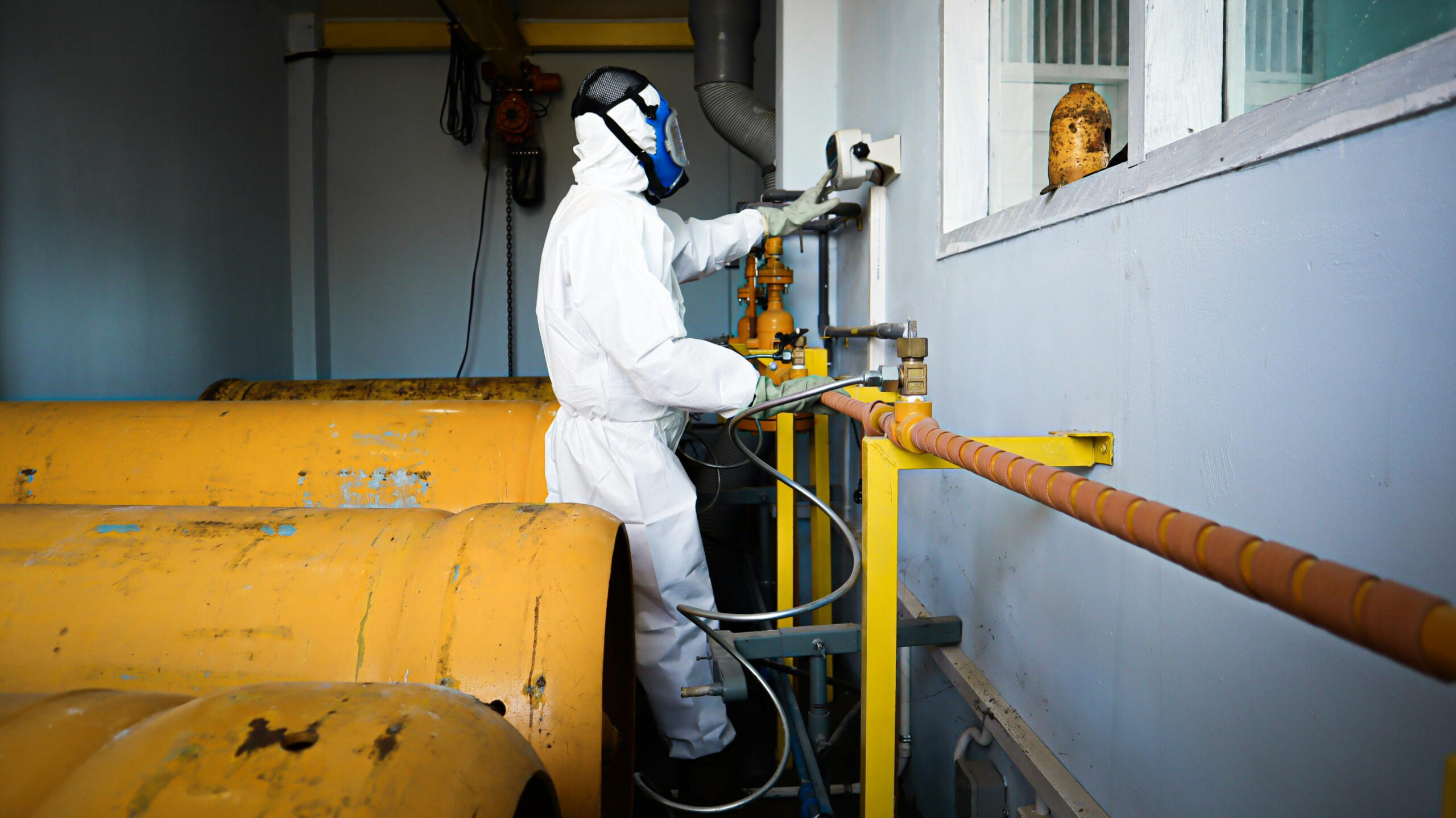
One of the most critical aspects of any demolition project is ensuring the safety of all workers and the surrounding area. Demolition work involves significant risks due to the use of heavy machinery, the instability of structures, and the presence of hazardous materials like asbestos. A demolition plan addresses these risks by outlining specific safety measures and emergency procedures. By identifying potential hazards early, assigning safety roles, and using appropriate protective gear, a demolition team can minimize accidents and injuries.
Regulatory Compliance
Every demolition project must adhere to a wide range of local, national, and environmental regulations. A well-drafted demolition plan ensures that all legal requirements are met, including obtaining necessary permits, following local building codes, and complying with environmental regulations. This compliance helps avoid costly fines or project delays caused by legal issues.
Cost Control and Efficiency
Demolition can be an expensive and time-consuming endeavor. A comprehensive demolition plan helps keep costs under control by defining clear timelines, assigning specific tasks to the right teams, and ensuring efficient use of resources. With careful planning, a demolition project can easily be completed on time and within budget, avoiding resource mismanagement or the need for costly extensions.
Environmental Impact
Demolition projects often generate a large amount of waste, some of which can be harmful to the environment. A demolition plan incorporates waste management strategies to reduce the environmental impact of the project. This includes recycling materials where possible, safely disposing of hazardous waste, and ensuring that demolition activities do not pollute the surrounding area. Sustainable practices not only help preserve the environment but also reduce costs associated with waste disposal.
Key Components of a Demolition Management Plan
To be effective, a demolition management plan must be thorough, covering all aspects of the project. Here are the key components you should include:
Site Assessment and Risk Management:
Begin with a thorough evaluation of the building and its surroundings. This assessment will identify potential hazards, including structural weaknesses, hazardous materials, or environmental concerns, and allow you to create a plan to address these risks.
Team Roles and Responsibilities:
Clearly define the roles of everyone involved in the project, from the site manager to the safety officer and demolition crew. Assigning responsibilities ensures that each part of the project is managed efficiently and that there are no gaps in oversight.
Timeline and Milestones:
Develop a clear project timeline, outlining key milestones for each stage of the demolition process. This includes setting deadlines for initial assessments, demolition work, waste removal, and site cleanup. Establishing a timeline helps keep the project on track and ensures that all parties are aligned on deadlines.
Safety Protocols:
Include specific safety measures, such as equipment checks, protective gear requirements, and emergency procedures. A safety-first approach is essential to prevent accidents and keep workers and the public safe.
Waste Management and Disposal:
Outline strategies for handling demolition waste, from recyclable materials to hazardous substances. Make sure that all waste is disposed of according to local regulations to prevent environmental damage.
Legal and Regulatory Requirements:
Ensure your plan addresses any permits, inspections, and environmental regulations that must be met before, during, and after the demolition process. Adhering to these legal standards helps avoid fines and delays.
How to Create a Demolition Management Plan
Creating a demolition management plan can seem like a daunting task, but breaking it down into manageable steps makes it more approachable:
Conduct a Site Survey:
Begin by surveying the site to understand the structure, assess potential risks, and identify any environmental or safety concerns.
Assign Roles and Responsibilities:
Determine who will oversee the project and assign tasks to each team member. Define their roles clearly so that everyone knows what is expected of them.
Develop a Detailed Timeline:
Establish a project timeline that includes all key milestones, from initial assessments to completion. Make sure the schedule allows for flexibility in case of unforeseen challenges.
Establish Safety and Risk Mitigation Plans:
Outline safety protocols and identify strategies for managing risks. This should include emergency procedures and contingency plans.
Create a Waste Management Plan:
Develop a waste disposal strategy that includes recycling, hazardous waste disposal, and how to handle demolition debris safely.
Obtain Necessary Permits:
Make sure that all required permits are obtained before starting the demolition. This may include local demolition permits, environmental clearances, and safety inspections.
Final Thought
Now that you understand the importance of a demolition management plan, it’s time to take action. Whether you’re managing a small residential demolition or a large-scale commercial project, a well-crafted demolition plan is crucial for ensuring success. It helps mitigate risks, keep costs under control, and ensure that the project is completed on time and in compliance with all relevant laws and regulations.
Don’t leave your project to chance—start with a strong foundation. Contact us today at Howard Stott Demolition to discuss how we can help you create a comprehensive demolition management plan for your next project. Let us help you ensure a safe, efficient, and successful demolition.
Related News & Projects